



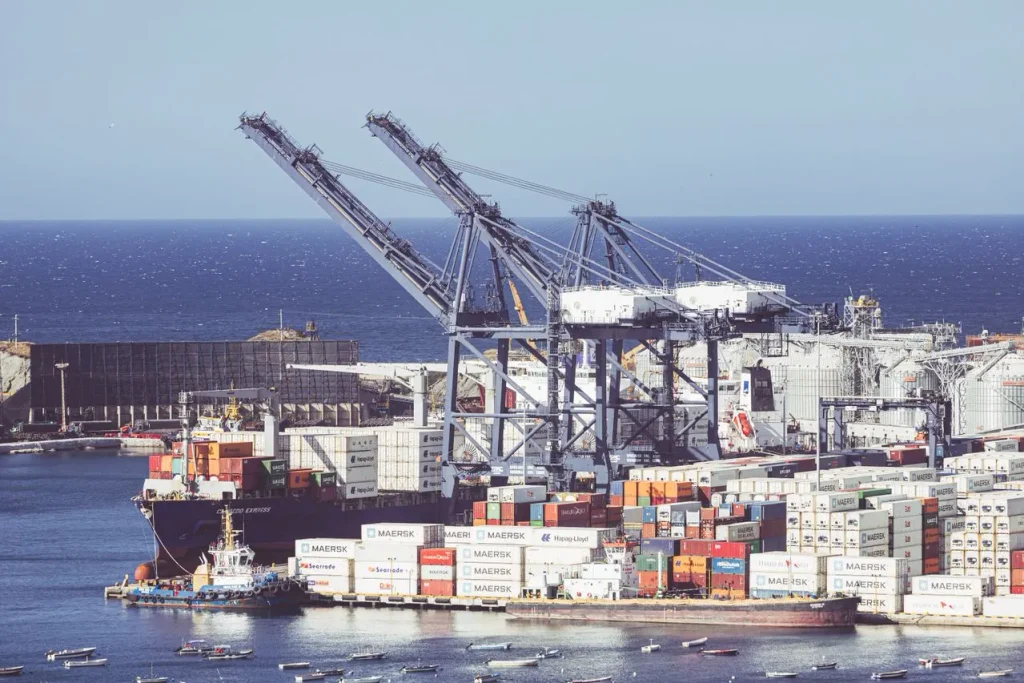
Chinese brands are rapidly expanding their presence across Latin America, moving beyond traditional export activity to establish deeper and more lasting positions in the region’s consumer economy. Chinese exports to Latin America reached nearly USD 300 billion in 2025, representing a 7% year-on-year increase, according to market intelligence company Euromonitor International.
The growing trade relationship reflects a broader shift in how Chinese companies approach Latin American markets. Rather than relying solely on exports, an increasing number of Chinese businesses are investing in local manufacturing, supply chains, distribution networks, retail operations and commercial infrastructure.
Euromonitor International’s recent report, The Rise of Chinese Brands in Latin America, highlights how Chinese companies are becoming increasingly integrated into a consumer market of more than 650 million people. Their presence can now be seen across multiple sectors, including consumer electronics, home appliances, fashion, automotive, foodservice and digital commerce.
Tim Chuah, head of research for Asia Pacific at Euromonitor International, said: “From consumer electronics to fashion and foodservice, Chinese brands visible on shelves, online platforms and city streets are the most visible sign of a deeper economic transformation reshaping the region.”
Latin America is becoming an increasingly attractive destination for Chinese companies seeking new sources of consumer and business growth. The region combines a large population with significant opportunities for market expansion, particularly in categories where consumer adoption remains relatively underpenetrated.
Several factors are supporting this development, including the rapid growth of e-commerce, expanding digital connectivity, abundant natural resources and strategic trade relationships. These conditions are encouraging Chinese companies to strengthen their presence and establish operations closer to local consumers.
Chinese brands have already achieved significant momentum in areas such as consumer electronics, household appliances and electric vehicles. Competitive pricing, technological innovation and investments in local markets have helped these companies establish stronger positions against established international competitors.
The growth of Chinese consumer appliances illustrates this trend. In 2025, sales volume for Chinese consumer appliances was approximately 55% higher than in 2020, with sales increasing by around 10% year over year. This sustained growth indicates that Chinese brands are moving from being alternative suppliers to becoming increasingly familiar choices among Latin American consumers.
Digital platforms are playing a major role in helping Chinese brands build awareness and connect directly with consumers throughout Latin America.
The growing influence of social media platforms such as TikTok and Instagram has enabled brands to develop highly targeted digital marketing strategies while adapting their global approaches to local consumer preferences. Social commerce, influencer marketing and mobile-first shopping experiences are helping Chinese companies reach consumers without relying exclusively on traditional retail networks.
The fashion industry provides a clear example of how quickly a digital-first brand can establish a major regional presence. Shein became the third-largest apparel and footwear brand in Latin America in 2025, rising from 11th place in 2020.
The brand’s rapid growth demonstrates the ability of digital-native companies to combine online discovery, localized marketing, extensive product selection and efficient supply chains to achieve significant scale in relatively short periods.
This development also points to a broader transformation in competitive dynamics. Chinese companies are no longer simply entering Latin American markets as challengers offering lower-priced alternatives. Increasingly, they are developing long-term strategies designed to build brand recognition, customer loyalty and local market relevance.
Fatima Linares, head of home and fashion insights at Euromonitor International, said: “Chinese brands are translating digital capabilities into consumer engagement. Social media is accelerating discovery, but long-term success will depend on adapting to local consumers and building lasting brand relevance.”
The expansion of Chinese brands is also reaching beyond traditional consumer goods and into the foodservice sector, where digital technology and changing consumer habits are creating new opportunities.
Delivery services have become an increasingly important part of the Latin American foodservice market. In 2025, delivery accounted for 25% of consumer foodservice value sales in the region, representing a 59% increase in value terms compared with 2019.
The trend is expected to continue. By 2030, delivery is forecast to account for nearly one-third of total consumer foodservice sales in Latin America.
This transformation could create significant opportunities for Chinese companies with expertise in digital ordering, mobile platforms, logistics, supply-chain integration and delivery-focused business models. Chinese businesses that have developed sophisticated technology-enabled ecosystems in other markets may be well positioned to participate in Latin America’s evolving foodservice landscape.
As consumer expectations continue to shift toward convenience, speed and digitally enabled purchasing experiences, companies that can combine technology with localized services may gain a competitive advantage.
The growing presence of Chinese brands suggests that competition in Latin America is undergoing a fundamental change. Chinese companies are increasingly investing in local infrastructure and adapting their business models to regional markets rather than treating Latin America simply as an export destination.
This shift means that their competitive influence is likely to become more structural over time. As Chinese companies develop local relationships, strengthen supply chains and increase consumer familiarity with their brands, they may become increasingly embedded in the region’s commercial landscape.
For established global companies, this evolution could create new competitive pressures across multiple consumer categories. At the same time, greater Chinese investment could contribute to increased product choice, technological innovation and competition in Latin American markets.
Chuah added: “It brands entering Latin America is not a passing fad. It is one of the clearest signs of a long-term economic realignment between Latin America and China. Businesses that continue to view the region through a US- or Europe-centric lens risk overlooking one of the most significant economic shifts of the past decade.”
The expansion of Chinese brands across Latin America reflects a broader evolution in global trade and consumer markets. Rising exports are increasingly being accompanied by local investments, digital strategies and efforts to establish long-term relationships with consumers.
From electronics and appliances to fashion, electric vehicles and foodservice, It companies are expanding into a diverse range of industries. Their success will increasingly depend not only on competitive pricing and technology, but also on their ability to understand local markets, adapt products and services to regional preferences, and establish trusted brands.
For Latin American consumers, the growing presence of Chinese companies could bring greater competition, wider product choices and increased access to technology-enabled services. For It businesses, meanwhile, the region represents a significant opportunity to diversify international growth and establish stronger positions in an increasingly important consumer market.
As e-commerce, digital platforms and modern supply chains continue to reshape consumer behaviour, the relationship between It companies and Latin American markets is likely to deepen further. The developments highlighted by Euromonitor International point to a long-term shift in the global consumer landscape, with Latin America emerging as an increasingly important destination for It brands and investment.
Source Link: https://www.businesswire.com/