


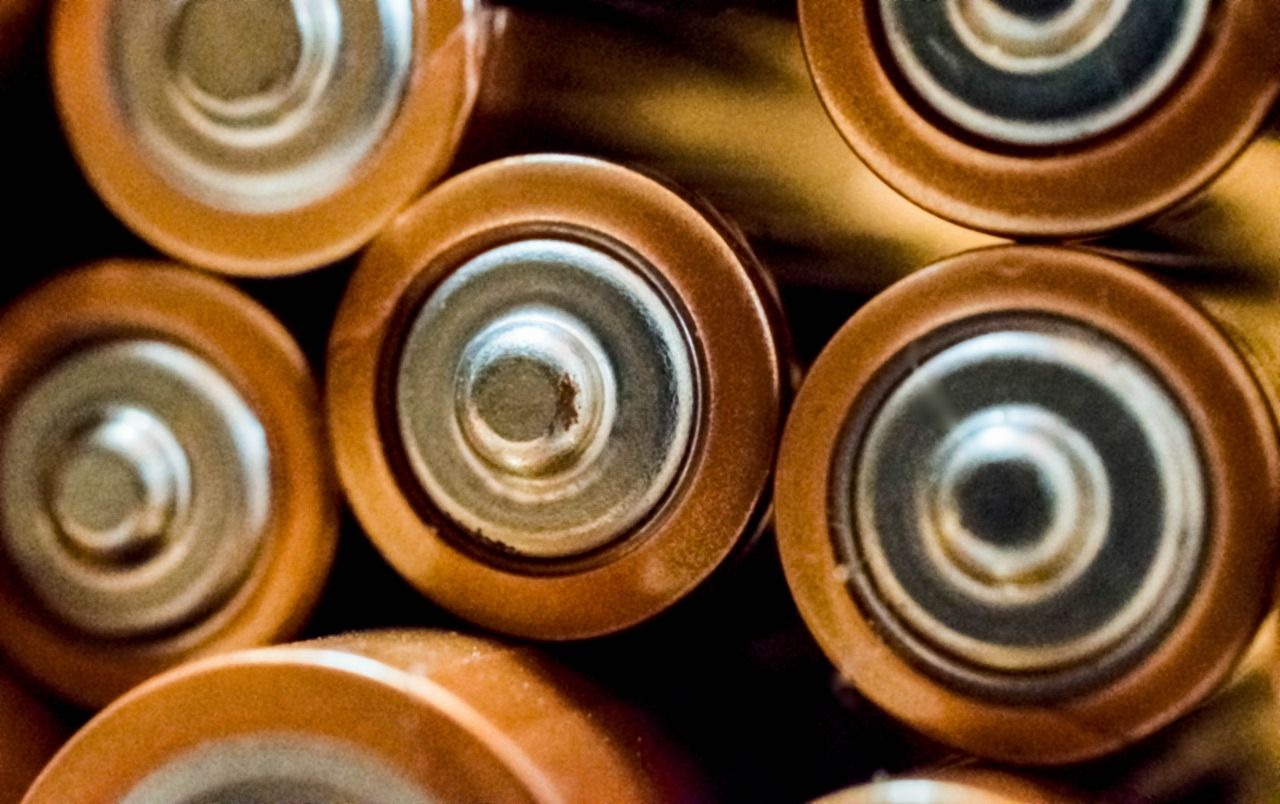
Continental Battery Systems (CBS) is reinforcing its commitment to sustainability and responsible resource management through an extensive battery recycling initiative designed to reduce waste, recover valuable materials, and support a circular economy model. As demand for energy storage solutions continues to rise across automotive, industrial, and consumer markets, the company is focused on ensuring that used batteries remain within a structured recovery system rather than ending up in landfills.
“Our goal is to keep batteries out of landfills,” said Juan Sierra, Senior Vice President of Supply Chain at Continental Battery Systems. “Every battery we collect is either tested for reuse, reconditioned, or sent back into the recycling stream so those materials can be recovered and used again.”
The company’s recycling efforts are built around an exchange-based operating model that enables the efficient collection of used batteries while delivering replacement units to customers. This process not only simplifies battery disposal for consumers and businesses but also ensures that end-of-life products are handled through environmentally responsible channels.
By integrating distribution, collection, refurbishment, recycling, and manufacturing activities, Continental Battery Systems has developed a closed-loop framework intended to maximize the lifecycle value of battery materials. The strategy aligns with broader industry trends aimed at reducing waste, conserving natural resources, and minimizing the environmental impact associated with battery production.
The concept of a circular economy has become increasingly important as industries seek ways to reduce dependence on virgin raw materials and improve resource efficiency. In the battery sector, circularity involves extending product lifecycles through reuse and refurbishment while recovering valuable components from batteries that can no longer be used.
Continental Battery Systems has incorporated these principles into its operations by establishing processes that prioritize battery recovery and responsible material management.
Under the company’s exchange-based program, customers return old batteries when purchasing new ones. These batteries are then collected and transported through CBS’s logistics network for inspection and evaluation.
Rather than treating used batteries as waste, the company views them as valuable assets that can either be returned to service or processed to recover reusable materials.
This approach helps create a sustainable supply chain in which products remain in circulation for as long as possible, reducing the need for additional resource extraction and lowering overall environmental impacts.
By maintaining a structured recovery system, CBS supports efforts to keep batteries within the manufacturing ecosystem while reducing the number of discarded units entering landfills.
The collection phase represents a critical component of Continental Battery Systems’ sustainability strategy.
Each time a new battery is delivered, customers are encouraged to exchange their old battery, ensuring that used products are properly captured and directed toward evaluation or recycling.
This model offers several advantages.
First, it provides a convenient disposal method for customers, eliminating uncertainty regarding how to manage end-of-life batteries safely.
Second, it improves collection rates by integrating recovery directly into existing distribution activities.
Third, it helps manufacturers secure access to recycled materials that can be reintroduced into future production cycles.
The company believes that efficient collection systems are essential for building a truly circular battery economy.
Without effective recovery mechanisms, significant quantities of valuable materials could be lost, increasing environmental burdens and limiting opportunities for resource reuse.
CBS’s extensive logistics infrastructure enables it to gather used batteries from a wide geographic footprint and process them through established channels.
This capability supports greater consistency in recycling outcomes and enhances the overall efficiency of battery lifecycle management.
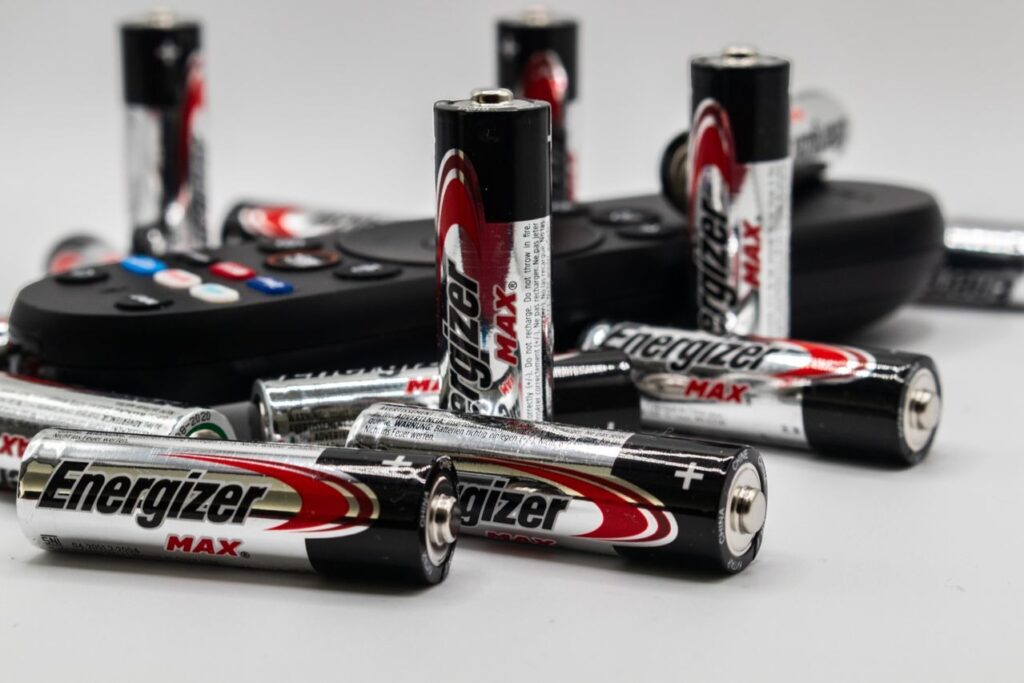
Not every battery collected by Continental Battery Systems has reached the end of its usable life.
Many units retain sufficient performance characteristics to be restored and returned to service.
To identify these opportunities, batteries undergo testing and assessment procedures designed to evaluate their condition, capacity, and operational viability.
Units that meet performance standards may be reconditioned through maintenance processes intended to improve functionality and extend their lifespan.
Reconditioned batteries can then be offered to customers seeking cost-effective alternatives while contributing to sustainability objectives by reducing unnecessary waste.
Battery refurbishment provides multiple benefits.
Extending the useful life of existing products reduces demand for newly manufactured batteries, conserves raw materials, and lowers energy consumption associated with production.
It also offers customers affordable options for applications where reconditioned batteries can deliver reliable performance.
By emphasizing reuse before recycling, Continental Battery Systems aligns with waste management principles that prioritize product life extension whenever possible.
This strategy helps maximize the value extracted from each battery and supports broader environmental goals.
Batteries that have reached the end of their useful life enter the recycling stream, where specialized facilities process them to recover valuable materials.
These recovered resources can then be incorporated into new batteries or utilized in other industrial applications.
Lead-acid batteries, in particular, represent one of the most successful examples of product recycling in the consumer market.
“Lead-acid batteries are one of the most recycled consumer products in the world, with material recovery rates of up to 99%,” Sierra explained.
The high recovery rate reflects the economic and environmental advantages associated with recycling battery components.
Lead, plastic, and electrolyte materials can all be reclaimed and repurposed, reducing dependence on newly mined resources while supporting domestic manufacturing activities.
Recovered lead can be used in the production of new batteries, creating a continuous cycle in which materials remain within the supply chain.
Similarly, plastics recovered during recycling can be transformed into new battery casings and other products.
This process significantly reduces waste generation and promotes more sustainable resource utilization.
The success of lead-acid battery recycling demonstrates the potential benefits of well-established collection systems and advanced recovery technologies.
Continental Battery Systems seeks to further strengthen these efforts by ensuring that batteries collected through its network are directed toward responsible recycling pathways.
Battery recycling delivers important environmental advantages.
Keeping batteries out of landfills helps prevent the release of potentially hazardous substances into soil and groundwater.
It also reduces pressure on natural resources by enabling manufacturers to incorporate recycled materials into production processes.
Mining and processing virgin materials often require substantial energy inputs and can have significant ecological impacts.
By recovering and reusing existing resources, recycling helps decrease emissions associated with extraction and manufacturing activities.
In addition, extending battery lifecycles through reuse and reconditioning supports more efficient resource consumption patterns.
Every battery that is successfully refurbished delays the need for replacement and reduces demand for additional raw materials.
These cumulative benefits contribute to a more sustainable battery ecosystem and support efforts aimed at reducing environmental footprints across industries.
Continental Battery Systems believes that responsible battery management practices are becoming increasingly important as global demand for energy storage solutions expands.
The battery industry is undergoing significant transformation driven by advancements in transportation, renewable energy, and electrification technologies.
Increasing adoption of electric vehicles, energy storage systems, and portable power applications is expected to drive substantial growth in battery demand over the coming decades.
As battery usage increases, recycling and resource recovery will play an increasingly important role in ensuring long-term sustainability.
Continental Battery Systems anticipates that future recycling technologies will become more sophisticated, enabling greater material recovery efficiencies and supporting broader circular economy objectives.
Innovations in processing methods, automation, and material separation technologies could further enhance recycling performance while reducing costs.
The company expects these developments to strengthen the battery industry’s ability to meet growing demand while minimizing environmental impacts.
By investing in collection systems, reuse initiatives, and recycling programs today, CBS aims to help build a more resilient and sustainable battery supply chain for the future.
The company believes that collaboration among manufacturers, distributors, recyclers, retailers, and consumers will be essential to achieving these goals.
Participation from all stakeholders can improve recovery rates, increase material availability, and promote responsible resource stewardship.
Continental Battery Systems continues to position sustainability as a core component of its business strategy.
Through its integrated approach to collection, reuse, refurbishment, and recycling, the company seeks to create value for customers while supporting environmental responsibility.
Its battery recovery initiatives enable customers to participate in sustainable practices without adding complexity to their operations.
By incorporating collection into existing distribution activities, CBS has established a practical model that encourages higher participation rates and more effective resource management.
The company views responsible battery handling not only as an environmental obligation but also as an opportunity to strengthen supply chain resilience and improve long-term resource security.
As recycling technologies continue evolving, CBS intends to remain actively engaged in developing solutions that maximize material recovery and extend product lifecycles.
These efforts align with increasing consumer expectations, regulatory initiatives, and industry commitments related to sustainability and circular economy principles.
Founded in 1932, Continental Battery Systems has grown into one of North America’s leading distributors of battery products, energy storage technologies, and recycling solutions.
The company serves original equipment manufacturers, aftermarket providers, distributors, retailers, and service organizations across a broad range of industries.
Its product portfolio supports numerous applications, including passenger vehicles, commercial transportation, heavy-duty equipment, marine systems, recreational vehicles, powersports products, golf carts, lawn and garden equipment, and industrial machinery.
Continental Battery Systems operates more than 160 locations across North America and maintains five regional distribution centers, enabling the company to combine localized expertise with extensive national reach.
This infrastructure supports efficient logistics operations and helps ensure consistent product availability for customers throughout its service network.
CBS offers a diverse portfolio that includes both premium national brands and private-label solutions, providing customers with flexibility and choice in meeting evolving market requirements.
The company remains focused on delivering high levels of service while investing in innovation, sustainability initiatives, and supply chain capabilities.
Driven by a customer-centric approach and a commitment to environmental stewardship, Continental Battery Systems continues to support the transition toward more sustainable energy solutions while helping customers, manufacturers, and industry partners participate in a more circular and resource-efficient battery ecosystem.
By keeping batteries in use longer, recovering valuable materials, and reducing waste, Continental Battery Systems is demonstrating how businesses can contribute to a more sustainable future while supporting continued growth within the evolving battery industry.
Source link: https://www.businesswire.com