
A $100,000 gift from the Diodes Foundation, the charitable arm of Diodes Incorporated, is advancing semiconductor education and research at Texas A&M University. The contribution supports graduate-level training in areas such as chip design, machine learning, and semiconductor fabrication—equipping students with the hands-on skills needed to drive innovation in the field.
“This initiative gives students the opportunity to learn by doing. It also builds a strong connection between Texas A&M and the semiconductor industry,” said Dr. Pao-Tai Lin, associate professor in the Department of Electrical and Computer Engineering.
The program engages both master’s and doctoral students in projects spanning circuit design, biomedical applications, and advanced semiconductor technologies. By working directly with industry-relevant tools and techniques, students gain practical experience that complements their academic studies.
“Developing these skills not only enhances students’ potential as future engineers and researchers but also accelerates their ability to deliver impactful innovations,” said Gary Yu, CEO and president of Diodes.
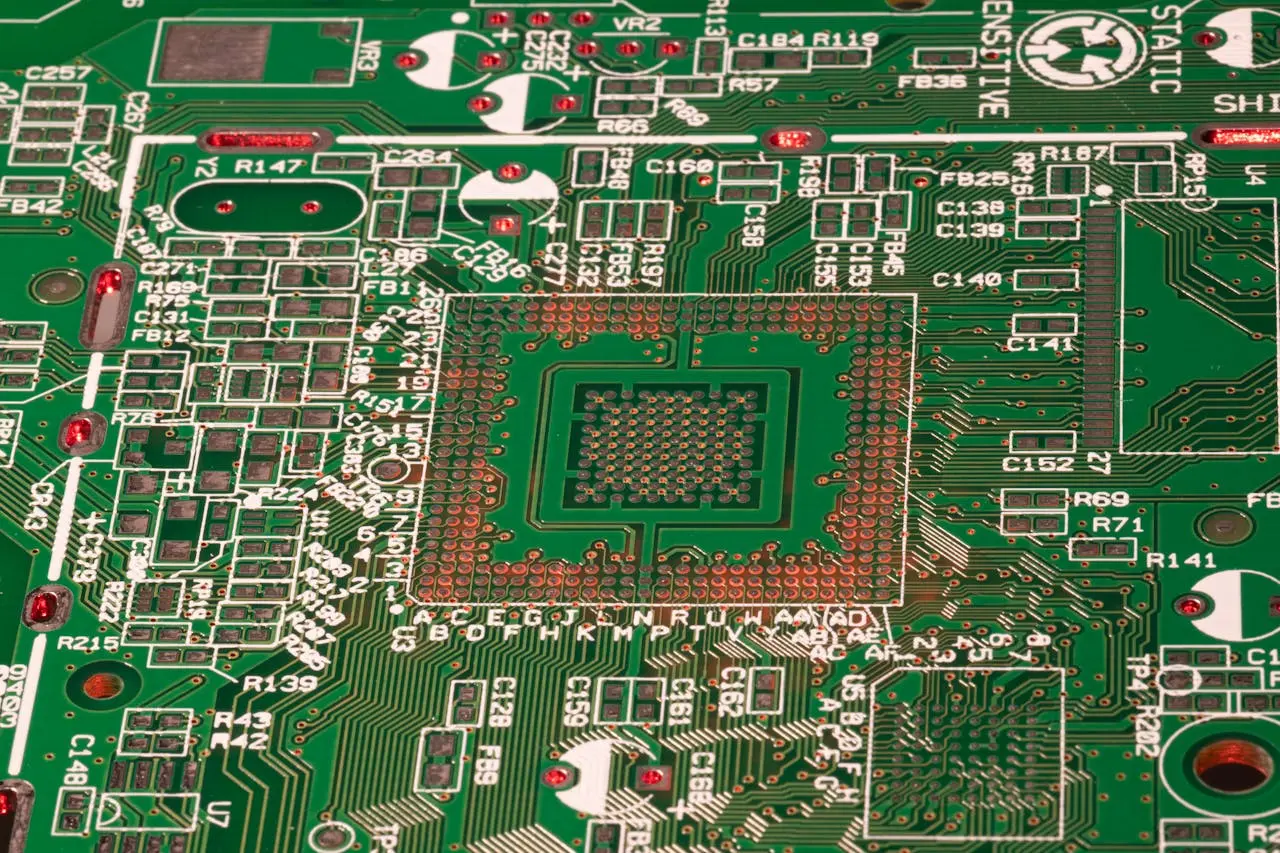
According to Lin, the funding allows students to work with real equipment, run simulations, design printed circuit boards, and see firsthand how their designs translate into real-world applications.
For electrical engineering graduate student William Noxon, the initiative has been transformative. “I’ve designed and printed electronic circuits and programmed microcontroller boards to run specific tasks,” Noxon said. “The most rewarding part is seeing all the individual pieces come together into one functioning system.”
Guided by Lin, Noxon has collaborated with peers from electrical engineering, industrial engineering, and physics, tackling challenges from multiple perspectives. “It’s fascinating to see how people from different disciplines approach the same problem,” he said. “Working together, we find solutions more quickly and effectively.”
Since joining the initiative last May, Noxon has deepened his understanding of nanoscale electron behavior and the integration of materials science with circuit design. The donation has given him access to diverse research opportunities and better preparation for future industry roles, where cross-functional teamwork is essential.
“The semiconductor industry relies on three pillars: technology, workforce development, and collaboration between universities and industry,” Lin said. “This program touches all three.”
The impact is already clear—students are producing meaningful results, sharpening technical expertise, and preparing to enter the workforce with a competitive edge.
“We’ve seen firsthand what’s possible through this support,” Lin added. “We look forward to expanding the partnership so more students can gain valuable experience that benefits both their careers and the broader industry.”