


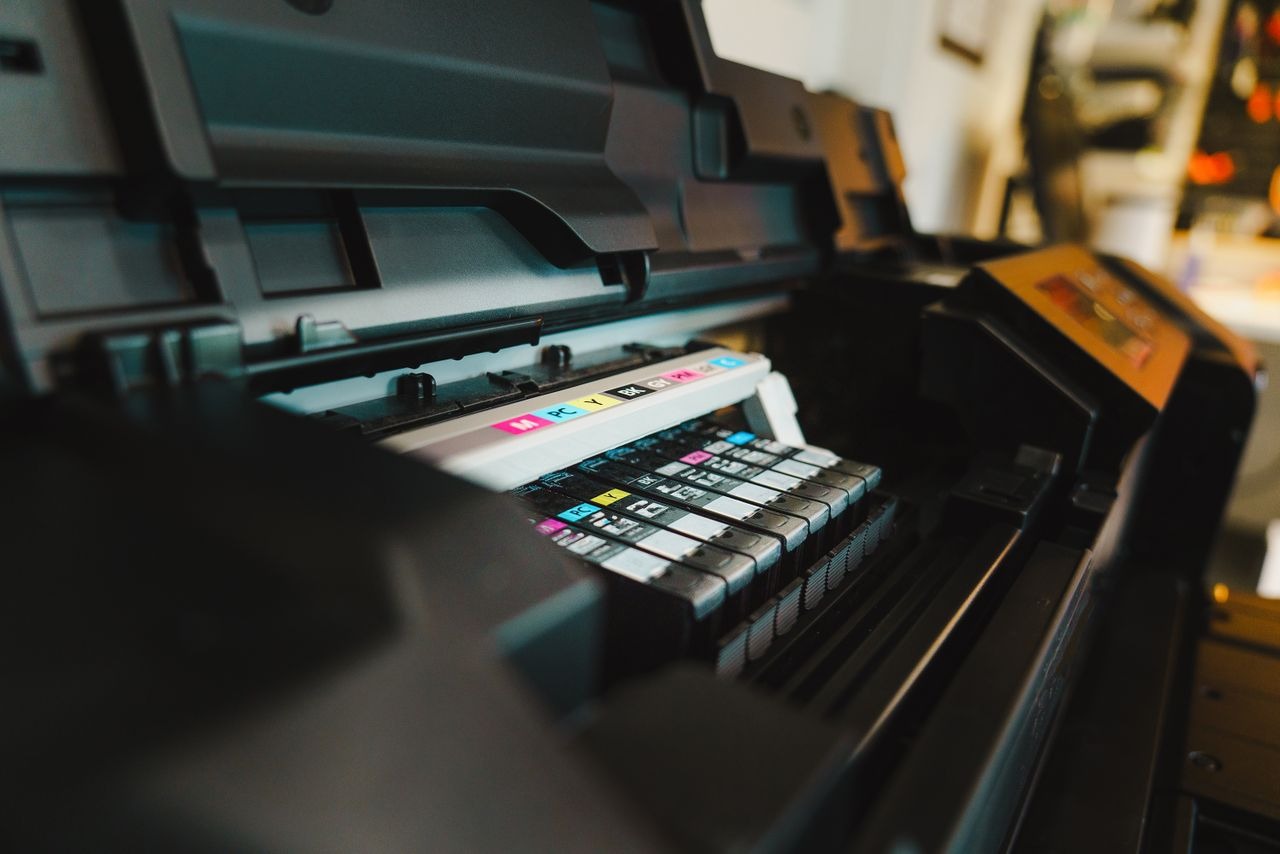
Direct-to-Film (DTF) transfers have quickly become one of the most popular methods for creating vibrant, high-quality custom apparel. Whether you’re designing personalized T-shirts, hoodies, tote bags, hats, or promotional merchandise, DTF technology makes it easy to produce professional-looking prints without the complexity of traditional garment printing methods.
Unlike conventional heat transfer vinyl (HTV) or sublimation printing, DTF transfers deliver full-color, highly detailed graphics that work on a wide variety of fabrics. This versatility has made DTF a favorite among hobbyists, crafters, small business owners, and professional apparel decorators alike.
If you’re new to DTF printing or wondering whether it’s the right choice for your next project, this guide explains everything you need to know—from how DTF transfers work to their advantages, application process, and how they compare with other popular printing methods.
DTF stands for Direct-to-Film, a modern heat transfer printing process that allows detailed artwork to be transferred onto fabric using a special printed film and a heat press.
Instead of printing directly onto garments, the design is first printed onto a transparent PET film using specialized inks. A layer of adhesive powder is then applied to the printed design and cured with heat. Once prepared, the transfer can be stored until it’s ready to be pressed onto fabric.
Unlike traditional heat transfer vinyl, DTF transfers don’t require cutting, trimming, or weeding. The entire design is transferred in one step, making the process significantly faster and easier, especially for intricate artwork containing multiple colors, gradients, or fine details.
The result is a soft, flexible print that offers excellent color vibrancy and durability while maintaining the comfort of the fabric.
The DTF printing process combines high-quality digital printing with heat transfer technology to create long-lasting fabric graphics.
The process begins by printing a digital design onto a specially coated transfer film using DTF inks. After printing, a fine adhesive powder is evenly applied across the wet ink. This powder sticks only to the printed areas of the design.
Next, the adhesive powder is cured using controlled heat, bonding it securely with the printed ink. Once cured, the transfer becomes ready for application.
When the transfer is placed onto a garment and pressed with a heat press, the adhesive melts and permanently bonds the printed design to the fabric fibers.
After cooling, the protective film is peeled away, leaving behind a vibrant, flexible image that resists cracking and peeling even after repeated washing.
DTF technology has gained widespread popularity because it combines ease of use with exceptional print quality.
Some of its biggest advantages include:
Because designs are prepared in advance, users only need a compatible heat press to complete the transfer, making DTF accessible even without investing in expensive printing equipment.
One of the biggest benefits of DTF transfers is how simple they are to use.
Many online platforms allow users to upload custom artwork or create designs using templates and design tools before ordering ready-to-press transfers. Once delivered, the application process requires only a heat press and the garment or fabric item.
The basic application process includes:
1. Preheat the Heat Press
Set your heat press to the recommended temperature and pressure according to the transfer manufacturer’s instructions.
2. Prepare the Fabric
Use a lint roller to remove dust, fibers, and debris from the garment. Briefly pre-press the fabric to remove wrinkles and excess moisture.
3. Position the Transfer
Place the transfer onto the garment with the printed side facing the fabric. The transparent carrier sheet allows easy positioning before pressing.
4. Apply Heat and Pressure
Press the transfer using firm, even pressure for the recommended time.
5. Cool and Peel
Allow the transfer to cool completely before carefully removing the carrier film.
Once peeled, the finished design is ready to wear with a smooth, vibrant appearance.
Getting started with DTF transfers requires very little equipment compared to traditional garment printing.
Basic supplies include:
Unlike HTV, there is no need for a cutting machine, transfer tape, or weeding tools, making the process much simpler for beginners.
One of DTF’s greatest strengths is its impressive fabric compatibility.
Unlike sublimation printing, which works best on polyester, DTF transfers adhere successfully to a wide variety of materials.
Common compatible fabrics include:
DTF transfers perform equally well on both light-colored and dark-colored garments, eliminating many of the material limitations associated with other printing methods.
Because of their flexibility and durability, It transfers are suitable for countless creative applications.
Popular projects include:
Many small businesses also use It transfers for print-on-demand services because transfers can be produced in advance and applied only when orders arrive.
Heat Transfer Vinyl remains popular for simple graphics and lettering.
HTV involves cutting colored vinyl sheets into designs using a cutting machine before manually removing excess material—a process called weeding.
It eliminates both cutting and weeding, making it much more efficient for detailed artwork.
Choose HTV when:
Choose It when:
Sublimation printing permanently dyes polyester fibers, creating extremely durable prints that never peel or crack.
However, sublimation has significant limitations.
It works best only on:
DTF offers much greater flexibility because it works on both cotton and polyester while also supporting dark-colored materials.
If your project involves cotton shirts or mixed fabrics, It is usually the better option.
Although both technologies use transfer films, they serve completely different purposes.
Traditional DTF is designed exclusively for fabric.
UV It is intended for hard surfaces such as:
UV It transfers cure using ultraviolet light rather than heat, making them unsuitable for clothing but ideal for custom drinkware, signage, phone cases, and promotional products.
Each transfer technology has its strengths.
DTF is ideal when:
HTV works best when:
Sublimation is perfect when:
UV DTF is recommended when:
Not all Ittransfers offer the same level of quality.
When purchasing transfers, consider the following factors:
Image Quality
Choose transfers that provide sharp detail, smooth gradients, and vibrant color reproduction.
Soft Feel
High-quality It transfers should remain flexible after application rather than feeling thick or plastic-like.
Durability
Look for transfers specifically designed to withstand repeated washing without fading, cracking, or peeling.
Reliable Shipping
If ordering custom transfers, allow enough time for production and delivery before your project deadline.
Application Instructions
Clear temperature, pressure, and pressing guidelines help ensure successful results.
Proper garment care helps maximize the lifespan of It prints.
For best results:
Following these simple care instructions helps preserve color vibrancy and print flexibility for many washes.
Direct-to-Film transfers have transformed custom apparel printing by making professional-quality decoration more accessible than ever. Their ability to produce vibrant, full-color graphics on virtually any fabric makes them an excellent choice for hobbyists, entrepreneurs, schools, sports teams, and businesses alike.
Whether you’re creating personalized gifts, launching a clothing brand, designing promotional merchandise, or simply customizing everyday apparel, It transfers offer an efficient, beginner-friendly solution that delivers outstanding results. With minimal equipment, broad fabric compatibility, and exceptional print quality, It has become one of the most versatile and reliable decoration methods available for modern apparel printing.
Source link: https://cricut.com