

SALT LAKE CITY — Epitel, Inc., a digital health company specializing in AI-driven wireless brain monitoring technologies, has secured $26 million in Series B financing to accelerate the commercialization of its REMI® Remote EEG Monitoring System. The investment round was co-led by Catalyst Health Ventures and Genoa Ventures, with participation from both new and existing investors, reinforcing confidence in the company’s vision to transform neurological care through long-term, wearable brain monitoring.
The newly raised capital will enable Epitel to expand the market reach of its wireless electroencephalography (EEG) platform, strengthen its commercial operations, and improve access to neurological diagnostics for patients who have historically faced barriers to receiving timely brain monitoring.
Epitel’s primary focus is improving the diagnosis and management of seizure disorders, an area where access to EEG testing remains a significant challenge. According to the company, approximately 9.2 million Americans experience seizures each year, yet nearly 40% do not have adequate access to EEG services. One major reason is that only about 27% of hospitals in the United States have EEG monitoring capabilities, leaving many patients without access to the diagnostic tools needed to confirm neurological conditions.
Diagnosing epilepsy and other seizure-related disorders often depends on recording abnormal brain activity during an actual seizure. However, many seizures occur without obvious physical symptoms, making EEG recordings essential for identifying abnormal electrical activity in the brain.
Traditional EEG testing presents additional challenges. Patients are typically monitored for no more than 72 hours, a timeframe that frequently fails to capture seizure events because seizures can occur unpredictably over days or even weeks. As a result, patients often undergo repeated testing or experience lengthy delays before receiving an accurate diagnosis and appropriate treatment.
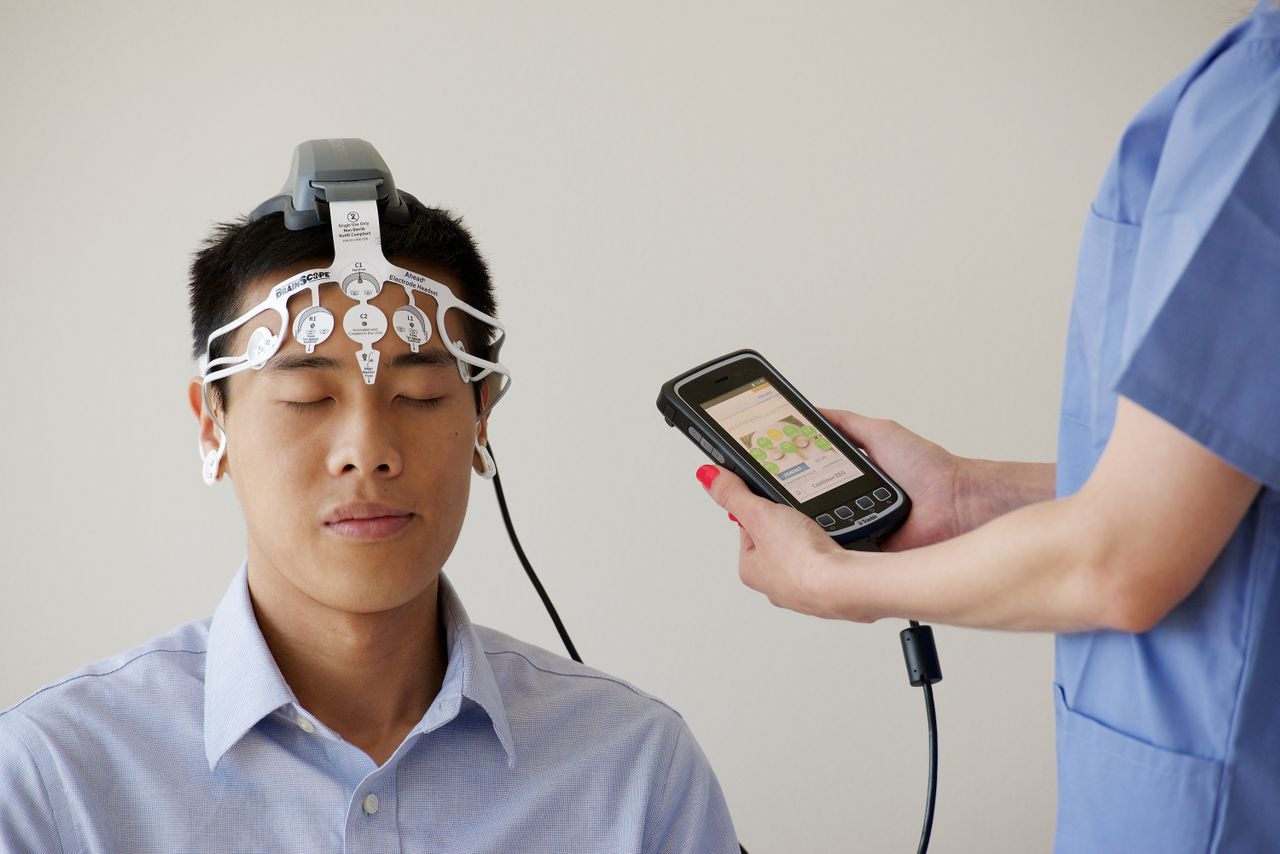
To overcome these limitations, Epitel has developed the REMI® Remote EEG Monitoring System, a wearable, wireless solution that allows patients to undergo extended brain monitoring from the comfort of their homes.
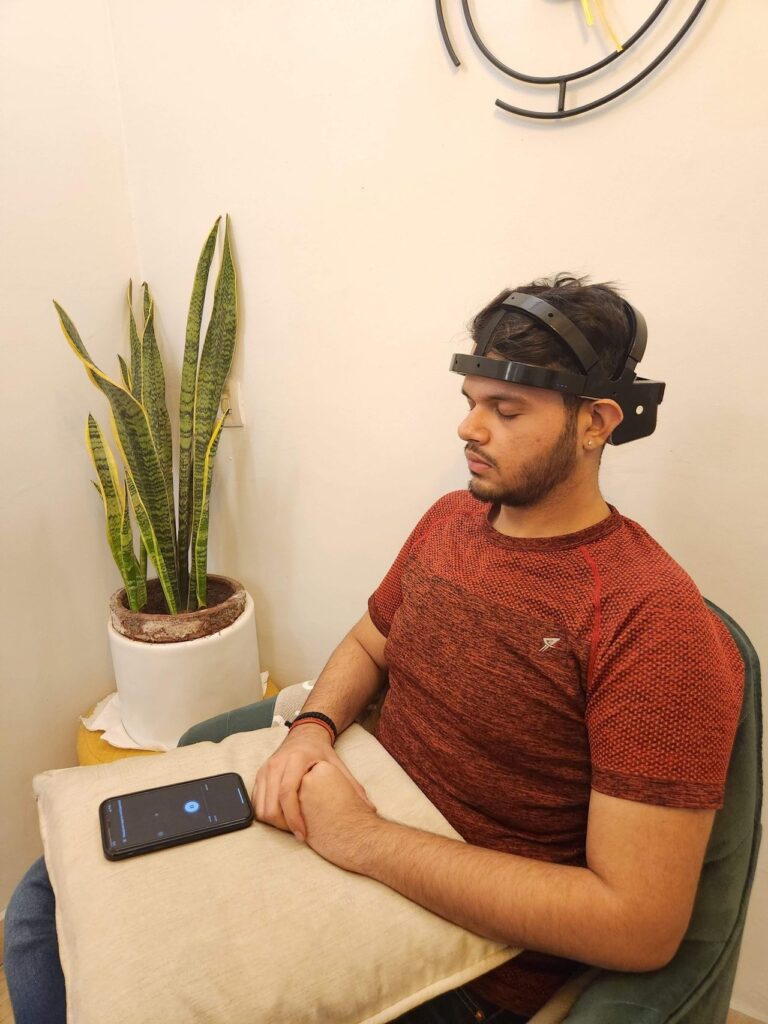
Unlike conventional hospital-based EEG systems that rely on wired equipment and supervised clinical settings, REMI enables patients to continue normal daily activities while their brain activity is continuously recorded for several weeks. This significantly increases the likelihood of capturing infrequent neurological events that might otherwise go undetected during traditional monitoring periods.
The platform combines wearable EEG sensors with cloud-based data management, allowing clinicians to remotely review recordings without requiring patients to remain hospitalized.
This extended monitoring capability not only improves diagnostic accuracy but also reduces the burden on hospitals and neurological clinics by shifting appropriate monitoring into outpatient and home-care environments.
A key component of the REMI platform is REMI Vigilenz™ AI for Event Detection, an artificial intelligence solution designed to assist neurologists in reviewing large volumes of EEG data.
Extended-duration monitoring can generate hundreds of hours of recordings, making manual review both time-consuming and labor-intensive. REMI Vigilenz analyzes EEG recordings to identify patterns that may indicate seizure activity and flags potential events for clinician review.
Rather than replacing clinical expertise, the AI serves as a decision-support tool, enabling neurologists to focus their attention on the most clinically relevant segments of each recording. This streamlined workflow can help shorten diagnostic timelines while improving overall efficiency within neurological practices.
The technology has received five U.S. Food and Drug Administration (FDA) 510(k) clearances, covering both its wireless EEG monitoring capabilities and AI-assisted event detection technologies.
The REMI system is approved for neurological monitoring in patients as young as one year old, while the AI-powered event detection functionality is available for patients aged six years and older. These clearances broaden access to long-term EEG monitoring across pediatric and adult populations.
Epitel President and Chief Executive Officer Steve Pacelli said the company developed the REMI platform to address longstanding challenges in neurological diagnostics.
He noted that millions of Americans suspected of having seizure disorders continue to experience delays because EEG services remain concentrated in larger medical centers, making access difficult for many communities.
According to Pacelli, the REMI system was designed to bring long-term neurological monitoring closer to patients while giving physicians the tools needed to efficiently analyze extended EEG recordings and reach diagnoses faster.
He described the successful completion of the Series B financing as a major milestone for the company, providing resources to significantly expand its commercial organization and increase availability of the REMI system across healthcare providers nationwide.
The Series B investment will support several strategic initiatives aimed at expanding adoption of Epitel’s technology.
One major priority is strengthening the company’s commercial infrastructure. Epitel plans to grow its sales, marketing, and customer success teams to increase awareness of the REMI platform among hospitals, neurology practices, and outpatient care providers.
The company also intends to simplify provider onboarding by improving distribution models and integrating REMI more seamlessly into existing clinical workflows. Making implementation easier is expected to accelerate adoption among healthcare organizations seeking more efficient neurological monitoring solutions.
Another key area of investment will focus on expanding access within the ambulatory EEG market. With FDA clearance now extending to children as young as one year old, Epitel aims to bring long-term wireless seizure monitoring to pediatric patients who have traditionally required specialized epilepsy centers for comprehensive evaluation.
This expanded access is particularly important for young children, where early diagnosis and treatment can significantly influence long-term neurological outcomes.
Neurology specialists believe longer-duration EEG monitoring could substantially improve seizure diagnosis and disease management.
Dr. Daniel Friedman, Professor and Director of the Division of Epilepsy at NYU Langone Health, noted that seizures often occur unpredictably and may not be recognized by patients themselves.
He explained that traditional EEG approaches have historically been constrained either by limited monitoring duration in ambulatory settings or by the high cost and inconvenience of inpatient video EEG monitoring.
According to Dr. Friedman, the REMI platform addresses both challenges by enabling continuous monitoring over clinically meaningful periods ranging from several days to multiple weeks while allowing patients to remain in familiar environments.
He added that this patient-friendly approach has the potential to improve both diagnosis and long-term disease tracking.
With fresh funding in place, Epitel plans to deepen its presence across healthcare systems throughout the United States.
The company believes that combining wireless monitoring with artificial intelligence can reduce administrative burdens on neurologists while improving patient compliance through a more comfortable monitoring experience.
Traditional wired EEG systems can interfere with normal activities and often require frequent clinical supervision. In contrast, the lightweight REMI platform allows patients greater mobility and flexibility, potentially improving adherence during extended monitoring periods.
By making neurological testing more accessible outside hospital settings, Epitel hopes to establish a new standard for ambulatory EEG services while expanding access to underserved communities.
Beyond epilepsy diagnosis, the company sees opportunities for its platform to support broader neurological monitoring applications as demand for remote healthcare technologies continues to grow.
Investors participating in the Series B financing believe Epitel is well positioned to modernize the ambulatory EEG market.
Joshua Phillips, Founder and Managing Partner of Catalyst Health Ventures and Chairman of Epitel’s Board of Directors, said outpatient EEG monitoring has remained largely unchanged for decades despite significant advances in digital health technologies.
He believes Epitel has introduced the right solution at an ideal time, combining wireless wearable technology, cloud connectivity, and artificial intelligence to address longstanding clinical challenges.
Phillips added that the new investment provides the company with the financial resources needed to scale operations quickly and meet growing demand from healthcare providers seeking more efficient neurological monitoring solutions.
As neurological disorders continue to affect millions of people worldwide, the need for more accessible, accurate, and patient-friendly diagnostic technologies is becoming increasingly urgent.
Epitel’s REMI platform represents an important step toward decentralized neurological care by extending EEG monitoring beyond traditional hospital environments and leveraging AI to improve clinical efficiency.
With its latest funding round, expanded regulatory clearances, and growing commercial strategy, the company is positioned to broaden access to long-term brain monitoring while supporting faster diagnoses and improved care for patients living with epilepsy and other neurological conditions.
Source link: https://www.businesswire.com