


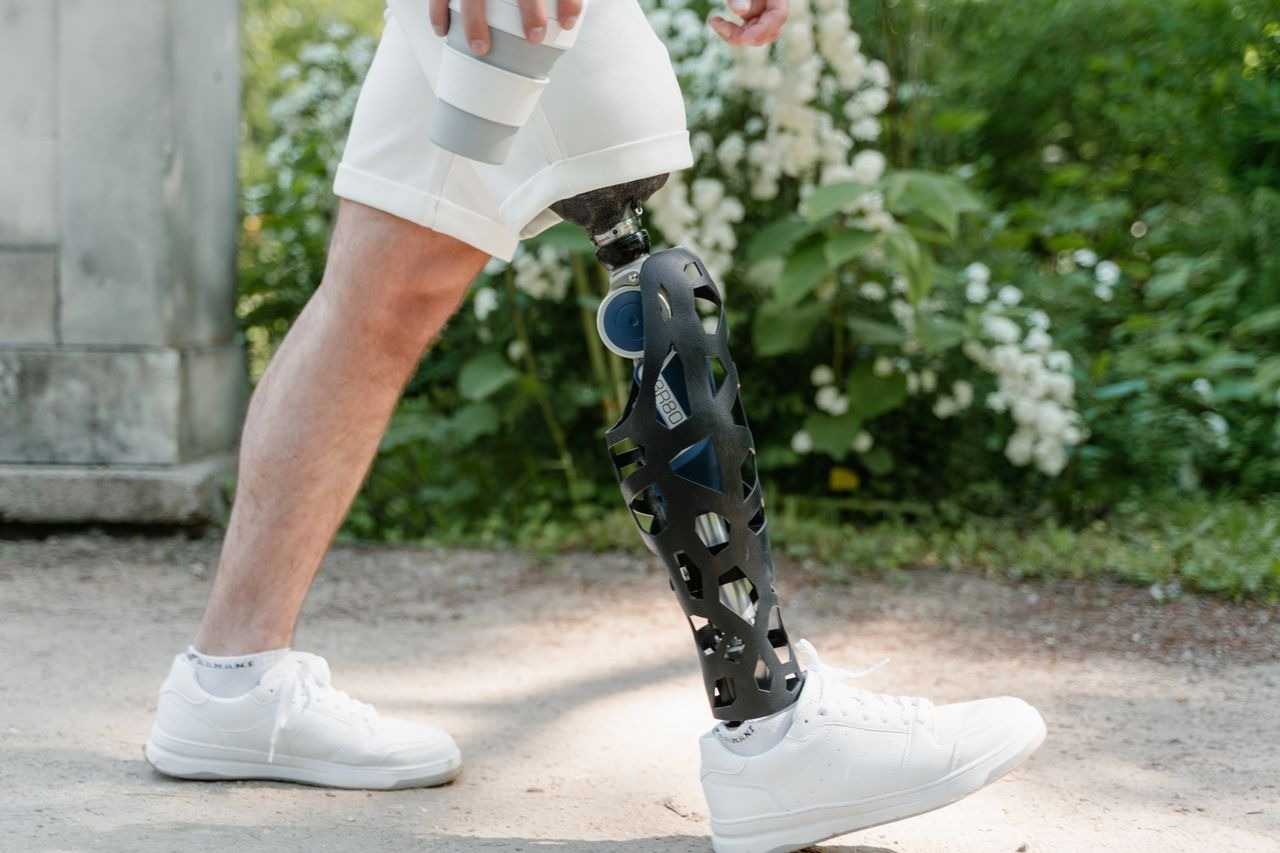
BOSTON — Medical technology innovator REEV has launched a pivotal clinical trial evaluating DREEVEN, its intelligent robotic knee-ankle-foot orthosis (KAFO), designed to help stroke survivors with chronic gait impairment regain mobility and independence. The study represents a major milestone in the company’s regulatory and commercialization strategy as it works toward U.S. Food and Drug Administration (FDA) clearance for the wearable robotic device.
Stroke remains one of the leading causes of long-term disability worldwide, leaving millions of people with lasting mobility challenges that affect their independence and quality of life. Although rehabilitation therapies often help patients regain some movement during the early stages of recovery, many stroke survivors continue to struggle with walking months or even years after the event. REEV believes its robotic mobility technology can bridge this gap by providing personalized assistance that supports safer, more natural movement in both clinical and everyday environments.
According to the American Stroke Association, more than 80% of stroke survivors experience gait impairment, making walking difficulties one of the most common and persistent consequences of stroke.
While patients generally experience the greatest improvements during the first two months of rehabilitation, recovery frequently plateaus afterward. Many individuals continue to face reduced walking speed, poor balance, muscle weakness, and limited endurance, all of which restrict their ability to participate fully in daily activities.
Mobility is closely linked to independence, social participation, and long-term health outcomes. Individuals who cannot walk safely often require ongoing caregiver support and face an increased risk of falls, hospitalizations, and declining physical health.
Recognizing these challenges, REEV has developed DREEVEN as an intelligent robotic wearable designed to provide dynamic assistance tailored to each patient’s unique gait pattern, helping restore confidence and improve functional mobility beyond traditional rehabilitation.
The newly launched pivotal clinical trial will assess how effectively DREEVEN supports stroke survivors during a wide range of everyday functional activities.
Participants will be evaluated while performing common mobility tasks, including walking across flat surfaces, navigating uneven terrain, climbing and descending stairs, and completing sit-to-stand transitions.
Unlike many rehabilitation studies that focus exclusively on structured clinical environments, REEV’s trial also incorporates home-based monitoring, allowing researchers to observe how the robotic orthosis performs during normal daily life.
This real-world evaluation is intended to provide a more comprehensive understanding of device safety, usability, and effectiveness outside rehabilitation centers.
Researchers will collect mobility data as participants carry out everyday routines in their homes and communities, offering valuable insights into how wearable robotic assistance may improve independence in practical settings.
By extending observation beyond traditional clinic visits, the study seeks to capture mobility patterns that cannot always be replicated during scheduled rehabilitation sessions.
Real-world monitoring allows investigators to evaluate how consistently patients use the device, how it adapts to varying environments, and whether it provides reliable support during daily activities that present different physical demands.
The combination of supervised clinical assessments and continuous home monitoring is expected to generate robust evidence supporting both the clinical benefits and practical usability of DREEVEN.
Such data may also help physicians better understand how intelligent robotic technologies can complement conventional rehabilitation programs for individuals living with chronic neurological impairments.
The pivotal study is led by Dr. Lou Awad, PT, DPT, PhD, Director of Boston University’s Neuromotor Recovery Laboratory, who serves as the principal investigator.
The trial is being conducted in collaboration with two respected rehabilitation providers:
These clinical partners bring extensive expertise in stroke rehabilitation and neurological recovery, providing both scientific leadership and practical experience in evaluating advanced mobility technologies.
Their participation strengthens the study’s ability to generate clinically meaningful evidence while ensuring that patient-centered rehabilitation remains central to the evaluation process.
The pivotal trial represents one of the most significant milestones in REEV’s journey toward regulatory approval in the United States.
Successful completion of the study is expected to support the company’s submission for FDA clearance, bringing DREEVEN one step closer to commercial availability.
Amaury Ciurana, Chief Executive Officer of REEV, said the participating rehabilitation centers understand the everyday challenges faced by stroke survivors and recognize the difference between limited clinical improvement and true functional independence.
According to Ciurana, the collaboration is helping REEV not only generate the clinical evidence required for regulatory approval but also establish the foundation for widespread patient access once the device receives FDA authorization.
By working closely with leading rehabilitation providers early in the development process, the company aims to streamline adoption and ensure healthcare professionals are prepared to integrate the technology into routine stroke care.
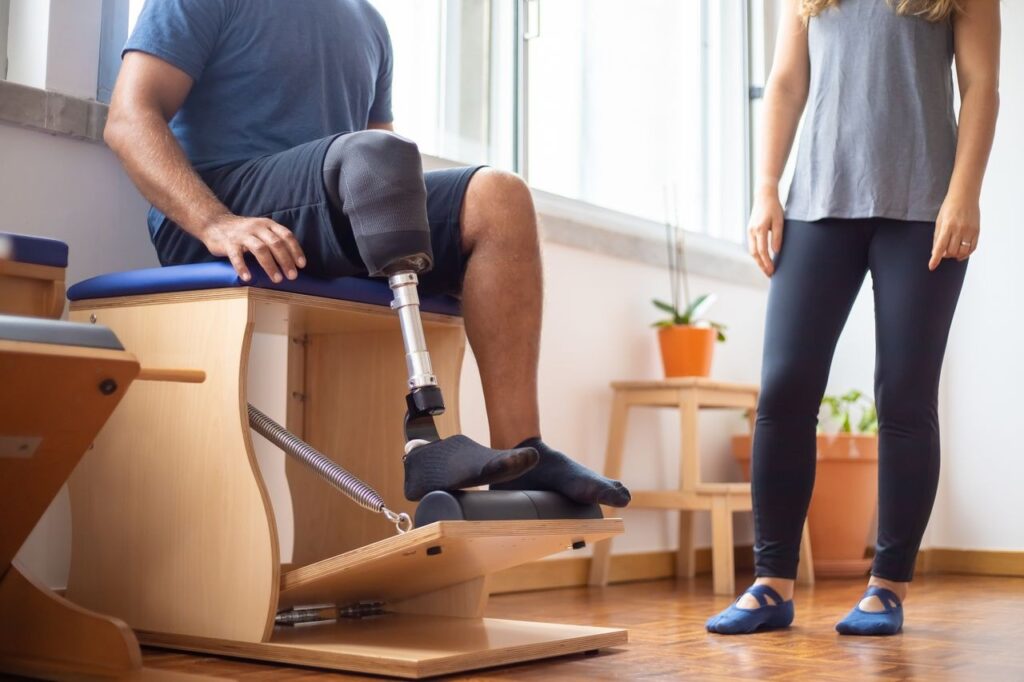
Dr. Brigid Dwyer emphasized that one of the study’s greatest strengths is its inclusion of home-based monitoring alongside traditional in-clinic evaluations.
She noted that understanding how patients interact with the device during normal daily routines provides a far more complete picture of its real-world value than clinic testing alone.
Daily environments present numerous mobility challenges that cannot always be reproduced in rehabilitation settings, including uneven sidewalks, household obstacles, varying stair configurations, and longer walking distances.
Evaluating DREEVEN across these diverse situations allows clinicians to better assess how effectively the device supports independence while maintaining patient safety.
The DREEVEN trial builds upon REEV’s existing digital rehabilitation ecosystem, which already includes SENSE, the company’s FDA-registered and HIPAA-compliant gait analysis platform.
SENSE is currently used in rehabilitation centers across the United States to provide clinicians with objective, real-time assessments of patient walking patterns.
Rather than relying solely on visual observation, the platform captures detailed gait metrics that help healthcare professionals evaluate movement quality with greater precision.
These measurements play an important role in customizing DREEVEN’s robotic assistance.
Using gait data collected through SENSE, clinicians can calibrate the orthosis to deliver the precise level of motor support required for each individual patient.
This personalized approach enables the robotic system to adapt to different walking abilities while supporting gradual improvements in mobility over time.
Beyond evaluating the technology itself, REEV is also focused on building the clinical infrastructure necessary to support future adoption.
The company is expanding its Neuro-Integration Program, an initiative designed to work closely with rehabilitation providers as they prepare to introduce intelligent wearable robotics into patient care.
By partnering with leading stroke rehabilitation centers during the clinical evaluation phase, REEV hopes to establish treatment pathways that will enable faster implementation following FDA clearance.
This collaborative model aims to reduce barriers to adoption while ensuring clinicians receive the training and support needed to successfully integrate robotic mobility solutions into rehabilitation programs.
Rehabilitation organizations interested in participating in ongoing research or learning more about the Neuro-Integration Program have been invited to connect with the company as it continues expanding its clinical network.
Wearable robotic technologies are increasingly being recognized as promising tools for addressing persistent mobility limitations that conventional rehabilitation alone may not fully resolve.
By combining lightweight robotics, intelligent software, and personalized gait analysis, devices such as DREEVEN have the potential to extend rehabilitation benefits well beyond inpatient therapy sessions.
Rather than replacing physical therapy, robotic orthoses can complement existing rehabilitation programs by providing continuous assistance during everyday movement, encouraging greater activity and supporting long-term functional recovery.
For millions of stroke survivors living with chronic gait impairment, technologies that improve walking confidence, increase independence, and reduce caregiver burden could significantly enhance overall quality of life.
Although DREEVEN remains an investigational device and has not yet received FDA clearance for commercial use in the United States, the launch of this pivotal clinical trial marks an important step toward making advanced robotic mobility assistance more widely available.
As the study progresses, REEV aims to generate the clinical evidence needed to demonstrate the safety, effectiveness, and real-world impact of intelligent wearable robotics, helping redefine how stroke survivors regain mobility and maintain independence in their daily lives.
Source link: https://www.businesswire.com