


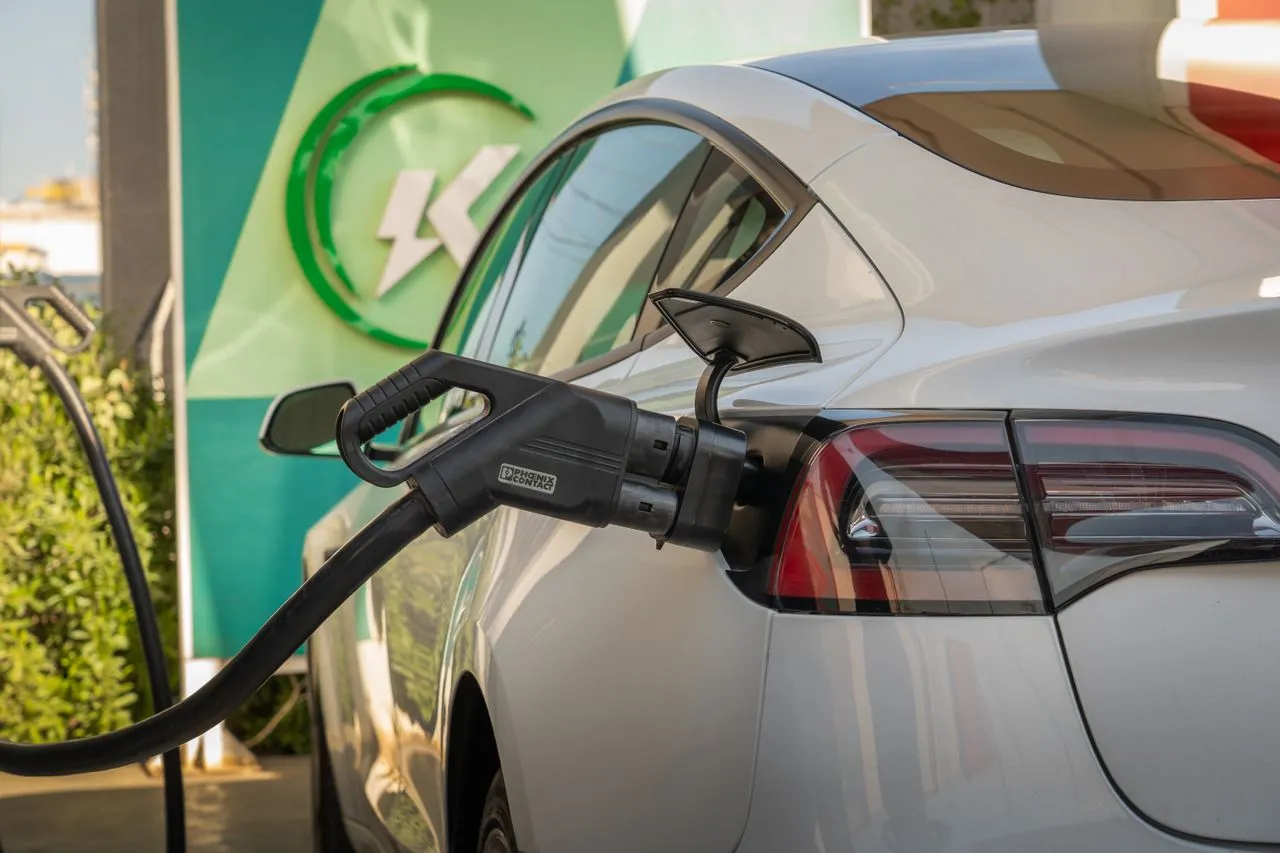
Portuguese charge point operator REMO, part of the Mota-Engil group, is expanding electric vehicle charging infrastructure across Spain and Portugal with Kempower’s fast-charging technology. The partnership is supporting the growth of a distributed charging network designed to serve a wide range of electric vehicles — from passenger cars to heavy-duty trucks and electric buses.
REMO’s deployments cover both public and depot-based charging, giving drivers, fleet operators and businesses access to high-power charging across key locations and transport corridors. By addressing passenger, commercial and public transport needs through a single network, REMO is positioning its infrastructure to support the rapid electrification of mobility across the Iberian Peninsula.
Spain and Portugal are becoming increasingly important markets in Europe’s transition to electric mobility. As EV adoption grows, demand is also increasing for reliable, accessible and high-power charging infrastructure capable of serving different types of vehicles.
Portugal recorded a record year for electrically chargeable vehicle registrations in 2025, with around 90,000 new EVs added to the country’s roads. Spain has also been rapidly expanding its charging network, with the number of public charge points doubling to almost 50,000.
This growth is creating demand for charging infrastructure in more locations and for more use cases. Passenger cars need convenient charging at retail, hospitality and highway locations, while trucks require high-power charging along freight corridors and at logistics hubs. Electric buses, meanwhile, need reliable charging solutions at depots that can support entire fleets.
REMO is developing its network with these different requirements in mind, aiming to provide charging wherever people and goods move across Iberia.
Its growing portfolio includes shopping centres and hotels, logistics hubs, public transport depots and strategic highway locations. This broad approach makes REMO one of the charging operators in the region addressing the three major segments shaping today’s EV charging landscape: passenger vehicles, commercial fleets and public transport.
Recent REMO deployments demonstrate the breadth of its approach.
For Luís Simões, one of Portugal’s largest logistics providers, REMO has installed charging infrastructure connecting the company’s Lisbon and Oporto hubs. These locations play an important role in supporting freight movement across Portugal, making reliable charging infrastructure increasingly important as logistics fleets transition to electric power.
REMO has also deployed charging capacity for Portuguese public bus operator VALPI, supporting a fleet of 20 electric buses. Depot charging presents different challenges from public charging: operators need to ensure that multiple vehicles can charge efficiently within limited time windows while maintaining fleet availability.
The company’s growing network also extends to a range of shopping centres and hotels across the region, providing charging opportunities for passenger vehicles while drivers visit, shop or stay overnight.
Together, these deployments demonstrate the need for charging networks that can adapt to different operating environments rather than relying on a single charging model.
At the heart of the REMO and Kempower collaboration is Kempower’s distributed DC charging technology.
Unlike conventional charging systems in which each charging point may have dedicated power capacity, Kempower’s distributed architecture uses a central Power Unit connected to multiple charging connectors. Power can then be dynamically allocated between charging points based on the real-time needs of connected vehicles.
This approach can help operators make more efficient use of available power. When one vehicle requires more charging capacity and another requires less, the system can dynamically distribute power according to demand.
For operators such as REMO, this flexibility can be particularly valuable when deploying infrastructure across locations with different charging requirements.
A logistics depot may need to charge several heavy-duty vehicles, while a hotel or shopping centre may experience a more variable flow of passenger vehicles. A bus depot may have multiple buses arriving within a narrow charging window. Distributed charging can help accommodate these changing patterns while allowing infrastructure to evolve as demand increases.
The technology can also support phased deployment. Operators can begin with the charging capacity required today and expand as EV adoption and customer demand grow, rather than making a large upfront investment based solely on future projections.
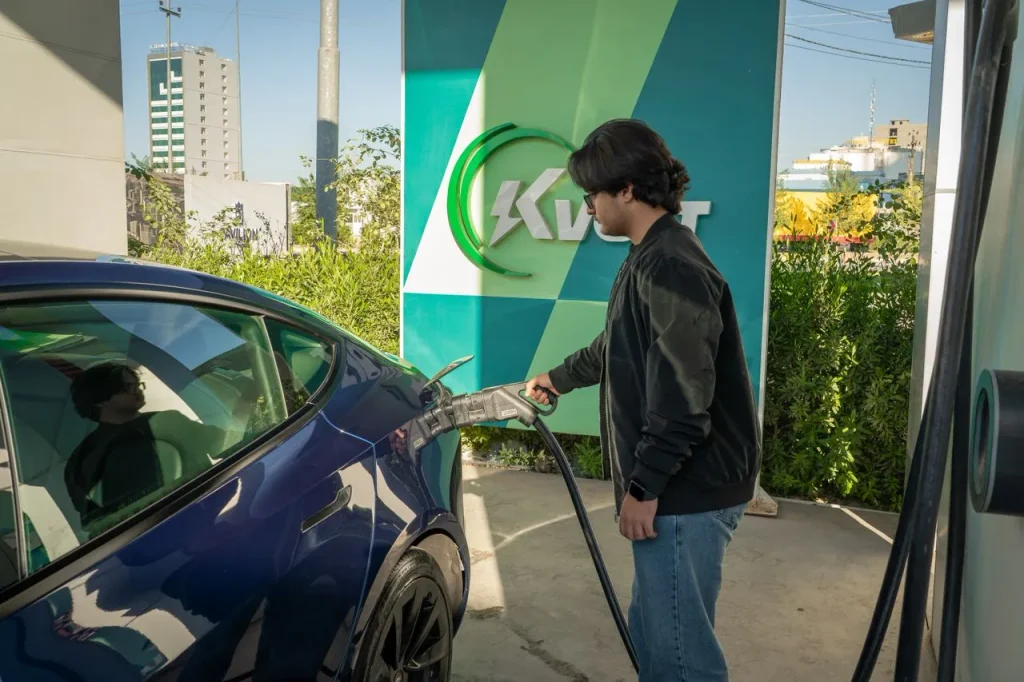
The collaboration between REMO and Kempower began in early 2025, when REMO started rolling out Kempower’s DC fast-charging technology across Spain and Portugal.
As part of the Mota-Engil group, REMO is responsible for installing, operating and servicing its charging infrastructure. This gives the company control across the different stages of the charging experience, from deployment through ongoing operation.
For drivers and fleet operators travelling between Portugal and Spain, the expansion of the network also supports a more consistent charging experience across national borders.
Guillermo Lopez Arias, Kempower’s Country Manager for Iberia, highlighted the breadth of the opportunity:
“Iberia is electrifying fast across every kind of vehicle at once. Working with REMO, we can bring the same distributed Kempower technology to a shopping centre, a logistics hub and a bus depot, offering a consistent experience across the board and best-in-market charging flexibility.”
The ability to use a common charging technology across multiple applications can simplify deployment and operations for an operator managing a geographically distributed network.
As electric vehicle adoption increases, charging infrastructure will need to evolve alongside it. The challenge is not simply to install more charging points, but to ensure those chargers are available where they are needed, provide sufficient power for different vehicle types and can scale as demand changes.
This is particularly important for commercial vehicles. Trucks and buses typically have larger batteries and more demanding operating schedules than passenger cars, meaning their charging requirements can be significantly different. Reliable charging at logistics centres and depots can therefore play an important role in enabling fleet electrification.
For passenger vehicles, meanwhile, accessibility and convenience remain central. Charging at shopping centres, hotels and other destinations can integrate charging into journeys that drivers are already making.
REMO’s approach brings these use cases together within a single distributed network, helping create charging infrastructure that reflects how mobility actually works across Iberia.
“As part of Mota-Engil, our job is to build infrastructure that lasts. Kempower enables us to deploy and service charging that scales in line with demand and continues running reliably for our customers, providing them with the best possible user experience,” said Luís Castanheira, CEO of REMO.
With electric mobility expanding across passenger, commercial and public transport, the next stage of Iberia’s transition will depend on infrastructure that can keep pace with changing demand. Through its collaboration with Kempower, REMO is building a charging network designed not only for today’s EVs, but also for the increasingly diverse range of vehicles that will rely on electric power in the years ahead.
Source Link: https://kempower.com/