


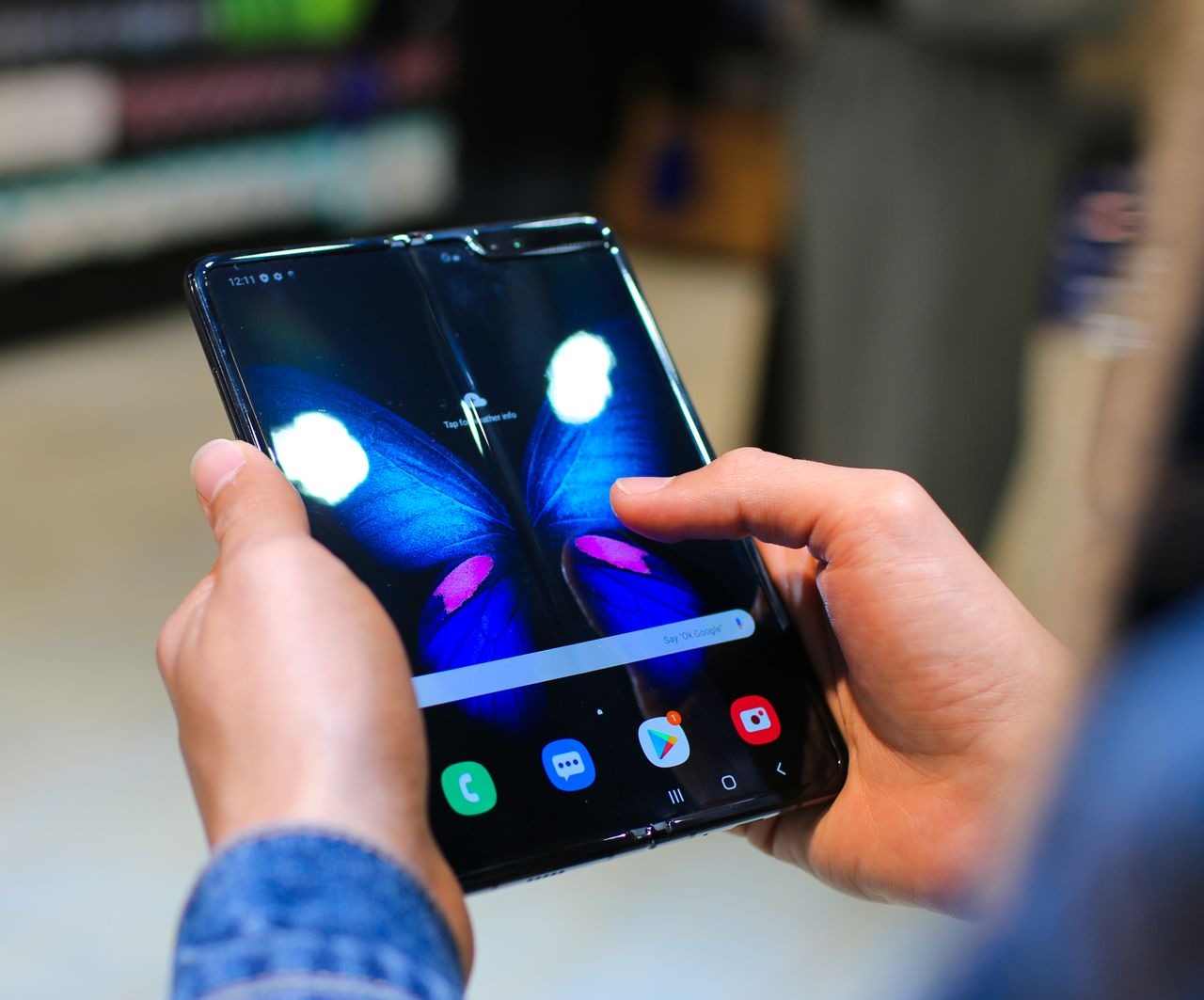
Samsung Electronics has introduced Flex Titanium, a next-generation display technology designed to enhance the durability, flexibility and viewing experience of its upcoming Galaxy foldable smartphones. Developed after years of research and engineering, the new technology represents a significant advancement in Samsung’s foldable display architecture, combining innovative materials with structural improvements to deliver thinner, stronger and more immersive foldable devices.
Built on seven generations of Galaxy foldable innovation, Flex Titanium incorporates a newly engineered display structure that minimizes crease visibility while improving overall durability. At the heart of the technology are two titanium-based components—a titanium-alloy film and a titanium support plate—that work together to create a display capable of withstanding repeated folding without sacrificing slimness or visual quality.
Samsung says the latest breakthrough reflects its long-standing commitment to refining foldable technology through continuous innovation and user-focused engineering. By combining premium materials with advanced display manufacturing techniques, the company aims to deliver a foldable experience that is more reliable, visually seamless and practical for everyday use.
Samsung has been at the forefront of mobile display innovation for nearly two decades. The company helped popularize AMOLED display technology in smartphones beginning in 2007 and later pioneered the commercialization of foldable OLED displays, transforming the way consumers interact with mobile devices.
However, creating a successful foldable smartphone has required much more than developing flexible screens. Each generation has involved overcoming engineering challenges related to durability, portability, structural stability and user comfort.
Through seven generations of Galaxy foldable devices, Samsung has continuously refined its designs based on real-world usage and customer feedback. Users consistently sought larger, more immersive displays with less noticeable creases while expecting devices to remain lightweight, durable and easy to carry.
Meeting these expectations required Samsung engineers to rethink the internal structure of foldable displays entirely. The company focused on finding materials that could simultaneously provide exceptional strength, maintain flexibility through thousands of folding cycles and fit inside increasingly slimmer devices.
This pursuit ultimately led to the development of Flex Titanium, which represents Samsung’s latest milestone in foldable display engineering.
The defining feature of Flex Titanium is its innovative use of titanium in two essential components within the foldable display structure.
Titanium is widely recognized for its exceptional strength-to-weight ratio and resistance to wear, making it one of the most durable engineering materials available. It has been used extensively in aerospace applications, satellite components and even the wheels of Mars exploration vehicles because of its ability to withstand extreme conditions while remaining lightweight.
Despite these advantages, titanium has traditionally been difficult to integrate into foldable devices because its natural stiffness makes it challenging to bend repeatedly without compromising flexibility.
Samsung engineers addressed this challenge by developing a specialized titanium-alloy film alongside a newly designed titanium support plate, allowing the material to provide structural reinforcement while maintaining the flexibility required for foldable displays.
Together, these components create a balanced display structure that improves durability without increasing thickness or reducing portability.
One of the key innovations within Flex Titanium is the ultra-thin titanium-alloy film positioned beneath the OLED display panel.
This layer replaces traditional polymer materials used in earlier foldable displays and delivers significantly greater mechanical stiffness. According to Samsung, the titanium-alloy film offers approximately twenty times higher structural rigidity than conventional polymer films.
Despite its strength, the material remains remarkably thin. Using an advanced precision rolling process, Samsung manufactures the film to a thickness measuring roughly one-third the diameter of an average human hair.
This ultra-thin design enables engineers to reinforce the display without adding unnecessary bulk, allowing future Galaxy foldable devices to become slimmer while maintaining improved durability.
The stronger support structure also helps reduce deformation during repeated folding and unfolding, contributing to improved long-term reliability.
Beneath the titanium-alloy film lies another major advancement—the titanium support plate.
This component provides foundational support for the display module while remaining flexible enough to accommodate continuous folding motions.
Samsung redesigned the plate using advanced hole-processing technology that eliminates air gaps between the display module and its supporting adhesive layers. The improved bonding creates a more stable internal structure while distributing pressure more evenly across the display.
As a result, the display receives stronger support when fully unfolded while retaining the flexibility necessary for smooth folding operations.
This redesigned structure also contributes to reducing visible crease formation, one of the most common concerns among foldable smartphone users.
Flex Titanium is not solely focused on improving structural durability. Samsung has also enhanced the display itself to deliver a richer visual experience.
The company combines the new titanium-based architecture with high-resolution display technology and next-generation organic OLED materials.
These new materials improve brightness, color accuracy and overall image quality while simultaneously reducing energy consumption.
The result is a display capable of producing sharper visuals, more vibrant colors and improved viewing performance across a variety of lighting conditions.
At the same time, enhanced power efficiency helps extend battery life by reducing the amount of energy required to operate the display.
Samsung says these improvements allow users to enjoy immersive multimedia experiences without sacrificing device efficiency.
One of the most noticeable improvements enabled by Flex Titanium is the reduction of the display crease.
Although foldable smartphones have evolved significantly since their introduction, minimizing the visibility of the folding line has remained an ongoing engineering challenge.
Samsung’s redesigned internal structure provides more consistent support across the folding area, helping the display maintain a smoother surface when fully opened.
By improving structural stability beneath the OLED panel and optimizing the flexibility of the supporting titanium components, the company has significantly reduced the prominence of the crease while maintaining durability.
This creates a more seamless viewing experience, allowing users to focus on displayed content without distraction.
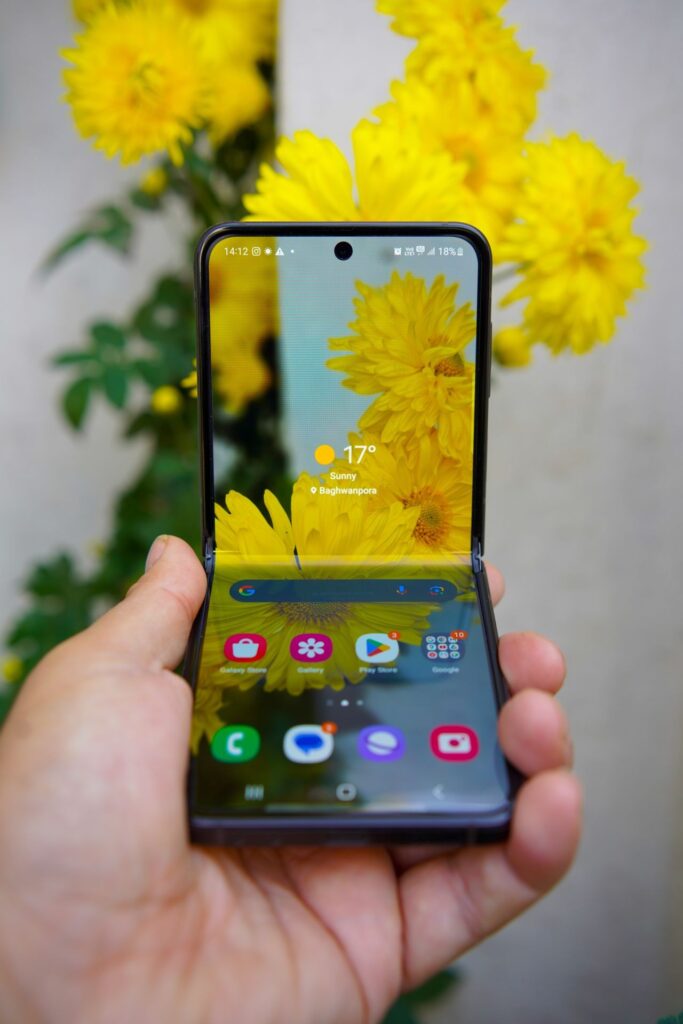
In addition to structural improvements, Samsung has optimized display efficiency through the integration of advanced organic materials.
The next-generation OLED architecture consumes less power while delivering higher display performance.
Improved efficiency benefits users in several ways, including longer battery life, reduced heat generation and improved overall device performance during demanding tasks such as gaming, video streaming and multitasking.
Samsung believes these enhancements will become increasingly important as foldable devices continue evolving into productivity-focused smartphones capable of replacing traditional mobile devices for many users.
According to Samsung executives, Flex Titanium represents years of collaboration between display engineers, materials scientists and mechanical design specialists.
By combining expertise across multiple engineering disciplines, Samsung has developed a foldable display architecture that successfully balances three critical factors:
Achieving all three simultaneously required extensive research into advanced materials and manufacturing techniques.
The introduction of micro-patterned holes within the titanium support plate further improves flexibility without weakening the structure, demonstrating the precision engineering involved in developing the technology.
Samsung Display says this innovation enables the material to bend smoothly while maintaining exceptional mechanical integrity over extended use.
Samsung views Flex Titanium as another important step in advancing foldable smartphone technology.
Since launching its first Galaxy Fold, the company has consistently invested in improving hinge mechanisms, display durability, protective materials and overall device design.
Each new generation has introduced incremental improvements based on customer feedback and technological advances.
With Flex Titanium, Samsung aims to address two of the biggest priorities for foldable users—greater durability and a less noticeable crease—while maintaining the premium design and portability expected from flagship smartphones.
The technology also demonstrates Samsung’s broader strategy of integrating innovations in display engineering with advancements in materials science to create devices that deliver meaningful everyday benefits rather than purely technical achievements.
Flex Titanium will make its commercial debut in Samsung’s upcoming generation of Galaxy foldable smartphones, which are expected to be officially unveiled during the next Galaxy Unpacked event.
As foldable devices continue gaining popularity worldwide, Samsung’s latest innovation highlights the company’s commitment to pushing the boundaries of mobile display technology. By combining advanced titanium materials, improved structural engineering and next-generation OLED technology, Flex Titanium lays the foundation for thinner, stronger and more immersive foldable smartphones designed for everyday use.
With this latest breakthrough, Samsung reinforces its position as a leader in foldable display innovation, setting the stage for the next evolution of premium mobile devices.
Source link: https://news.samsung.com