

T-Mobile Activates T-Satellite and Mobilizes Network Teams Ahead of Tropical Storm Lala in Hawaiʻi
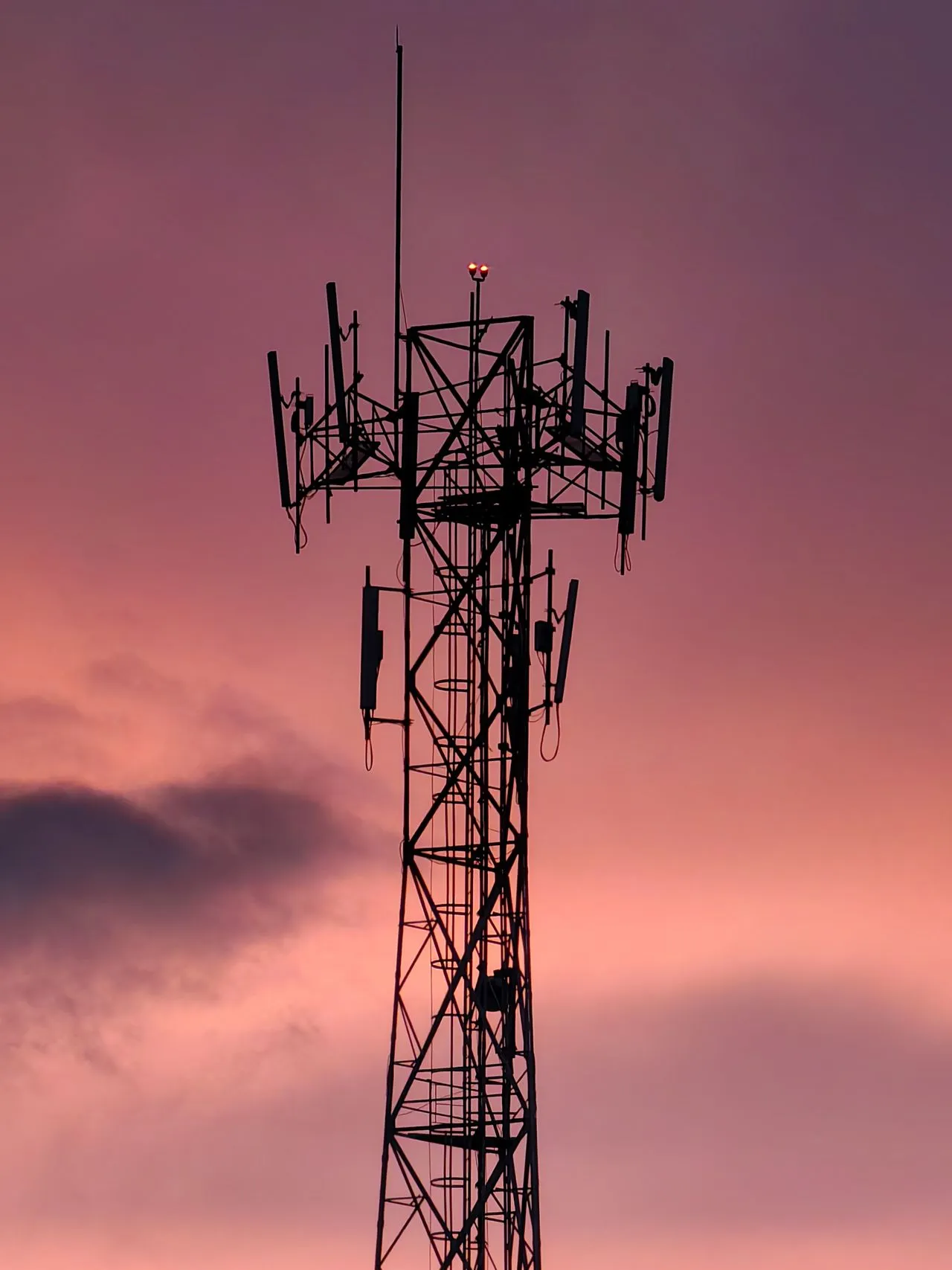
BELLEVUE, Wash. — As Tropical Storm Lala approaches Hawaiʻi, T-Mobile is taking proactive steps to help maintain critical connectivity for residents, first responders, businesses and communities across the islands. The company has activated T-Satellite with Starlink for eligible customers, mobilized field engineering and network teams, positioned backup equipment and supplies, and strengthened coordination with emergency management and public safety agencies ahead of the storm.
Lala is expected to intensify as it moves toward the Hawaiian Islands, bringing the potential for heavy rainfall, damaging winds, flooding, mudslides and dangerous surf through the weekend. Hawaiʻi Island, also known as the Big Island, currently faces the greatest potential for impacts.
During severe weather, reliable communications can become a critical lifeline. Residents may depend on their phones to receive emergency alerts, contact family members, request assistance or stay informed about changing conditions. At the same time, first responders and emergency management teams need dependable communications to coordinate evacuations, assess damage and provide assistance to communities.
“When severe weather hits, connectivity can be a lifeline — whether someone is checking on family, receiving an emergency alert or a first responder is coordinating help,” said Salim Kouidri, Senior Vice President, Field Engineering & Operations, T-Mobile. “Our teams are preparing across Hawaiʻi so we’re ready to respond quickly, support the people and organizations communities depend on and help keep Hawaiʻi connected through the storm.”
Strengthening the Network Before the Storm
T-Mobile has mobilized field engineering teams throughout the Hawaiian Islands and secured additional crews, technicians and equipment to support a rapid response if the storm causes network disruptions. The company is also preparing for potential power outages and other infrastructure challenges that could affect communications.
Fixed generators at critical locations have been inspected and are ready for deployment, while backup power resources have been positioned to help maintain network operations. T-Mobile has also established refueling plans to support extended operations if commercial power is interrupted or access to affected areas becomes difficult.
Behind the scenes, emergency operations teams are closely monitoring Tropical Storm Lala, network performance and potential impacts to customers, employees and infrastructure. This ongoing monitoring allows teams to identify emerging issues and respond quickly as conditions change.
T-Mobile’s Self-Optimizing Network, or SON, technology can automatically adjust network performance as conditions evolve. The company also uses energy-saving technologies to help manage power consumption and preserve backup energy at network sites during outages, supporting continued connectivity when it is needed most.
Expanding Satellite Connectivity Across Hawaiʻi
As a key part of its storm preparation, T-Mobile has extended access to T-Satellite with Starlink for customers with compatible devices across the Hawaiian Islands.
T-Satellite is designed to provide basic connectivity when traditional terrestrial cellular coverage is unavailable or disrupted. With a compatible device and appropriate conditions, customers can use the service to send text messages to family and friends and access Text-to-911 to contact emergency services.
T-Satellite can also support Wireless Emergency Alerts on compatible devices, helping people receive important information when conventional network coverage may be affected.
The expanded satellite capability provides an additional layer of connectivity for communities preparing for the storm, particularly in areas where flooding, power outages, infrastructure damage or other hazards could affect traditional wireless service.
Working With Hawaiʻi’s Emergency Response Community
T-Mobile is also coordinating with emergency management and public safety organizations across Hawaiʻi to help prepare for potential impacts from Lala.
Teams are working with the Hawaiʻi Emergency Management Agency, Maui Emergency Management Agency, Hawaiʻi County Civil Defense Agency and the City and County of Honolulu. T-Mobile is also coordinating with regional emergency communications officials, including representatives from the Federal Emergency Management Agency and the Cybersecurity and Infrastructure Security Agency.
In addition, T-Mobile teams are proactively engaging public safety agencies, government organizations and other critical customers throughout the islands. These conversations help identify connectivity requirements, prioritize restoration efforts and address potential challenges before recovery operations begin.
The goal is to ensure that critical organizations have the communications resources they need to continue operating during the storm and begin recovery as quickly as possible afterward.
Prioritizing First Responders With T-Priority
Keeping first responders connected is another key part of T-Mobile’s storm response strategy.
Through T-Priority, eligible public safety organizations receive priority network access, preemption capabilities and advanced 5G features designed to support mission-critical communications. These capabilities can help first responders maintain access to important voice, data and communications services when networks experience heavy demand.
During a severe weather emergency, firefighters, law enforcement officers, emergency medical personnel and emergency managers may rely on data-intensive tools such as mapping applications, drones, cameras and other connected technologies. T-Priority is designed to help keep these applications and communications moving when network resources are under pressure.
For eligible public safety agencies that require additional support, T-Priority can be activated quickly to help maintain critical connectivity during emergency response operations.
Supporting Hawaiʻi Communities
T-Mobile is also positioning community support resources across Oʻahu, Maui, Kauaʻi and Hawaiʻi Island. Ahead of Lala’s arrival, the company is sending hundreds of additional power banks to the Big Island to supplement resources already in place.
These supplies are intended to help communities maintain access to communications during power outages and other disruptions. T-Mobile teams are prepared to assist with connectivity, device charging and other supplies, including additional devices as availability allows.
The company will continue evaluating community needs as the storm develops and will adjust its response resources accordingly.
Supporting Employees, Customers and Retail Operations
T-Mobile’s retail teams across Hawaiʻi are also preparing for changing conditions. Employee and customer safety will remain a priority as the storm approaches, and store hours or availability may change depending on local conditions.
Customers planning to visit a T-Mobile store should check the company’s Store Locator for the latest information before traveling. Employees who may be affected by the storm will also receive support as needed, with internal teams prepared to respond to emerging concerns.
Steps Customers Can Take Now
T-Mobile is encouraging residents and visitors in Hawaiʻi to take several simple steps before conditions deteriorate.
Charge devices now. Fully charge smartphones, tablets, power banks and other backup batteries before the storm arrives. Keeping additional charging equipment ready can be especially important during extended power outages.
Save important contacts. Make sure family members, emergency contacts and other important numbers are stored on your device. If voice calls become difficult because of network congestion, text messaging may provide another way to communicate.
Enable emergency features. Customers should make sure Wireless Emergency Alerts are enabled, keep Wi-Fi Calling turned on when appropriate and ensure their devices are running current software.
Understand satellite connectivity. Customers with compatible devices should familiarize themselves with T-Satellite. If traditional cellular coverage becomes unavailable, T-Satellite may provide an additional way to send texts and reach emergency services.
Follow local emergency guidance. Residents should monitor official alerts, follow evacuation orders, avoid unnecessary travel in affected areas and check on family members, friends and neighbors who may need assistance.
As Tropical Storm Lala moves toward and across the islands, T-Mobile will continue monitoring network conditions, coordinating with emergency response organizations and deploying teams and resources as needed.
The company emphasizes that preparation and safety should remain the priority for everyone in the storm’s potential path. Staying informed, maintaining access to communications and following instructions from local emergency officials can help individuals and communities respond more effectively as conditions change.
About T-Mobile
T-Mobile US, Inc. (NASDAQ: TMUS), the supercharged Un-carrier, is powered by an award-winning 5G network designed to connect people in more places while delivering strong value and customer experiences. The company continues to drive innovation in wireless connectivity and expand the ways consumers, businesses and communities stay connected.
Headquartered in Bellevue, Washington, T-Mobile provides wireless services through its subsidiaries and operates its flagship brands, including T-Mobile, Metro by T-Mobile and Mint Mobile.
For more information, visit T-Mobile’s website. For the latest preparedness and response updates, customers can also follow the T-Mobile Newsroom and the company’s emergency response resources.
As Tropical Storm Lala approaches Hawaiʻi, T-Mobile’s network teams, emergency operations personnel and public safety partners will remain focused on maintaining connectivity, supporting communities and responding quickly to emerging needs throughout the storm and recovery period.
Source Link: https://www.businesswire.com/