
Tokyo Electron Completes Tohoku Production and Logistics Center to Strengthen Manufacturing, Efficiency, and Sustainability
Tokyo Electron (TEL), headquartered in Minato-ku, Tokyo and led by President Toshiki Kawai, has announced the completion of the Tohoku Production and Logistics Center, located within its development and manufacturing subsidiary, Tokyo Electron Technology Solutions, in Oshu City, Iwate Prefecture. A formal completion ceremony was held today to commemorate the milestone, marking a significant expansion of TEL’s domestic operational capacity and its long-term commitment to innovation in semiconductor manufacturing.
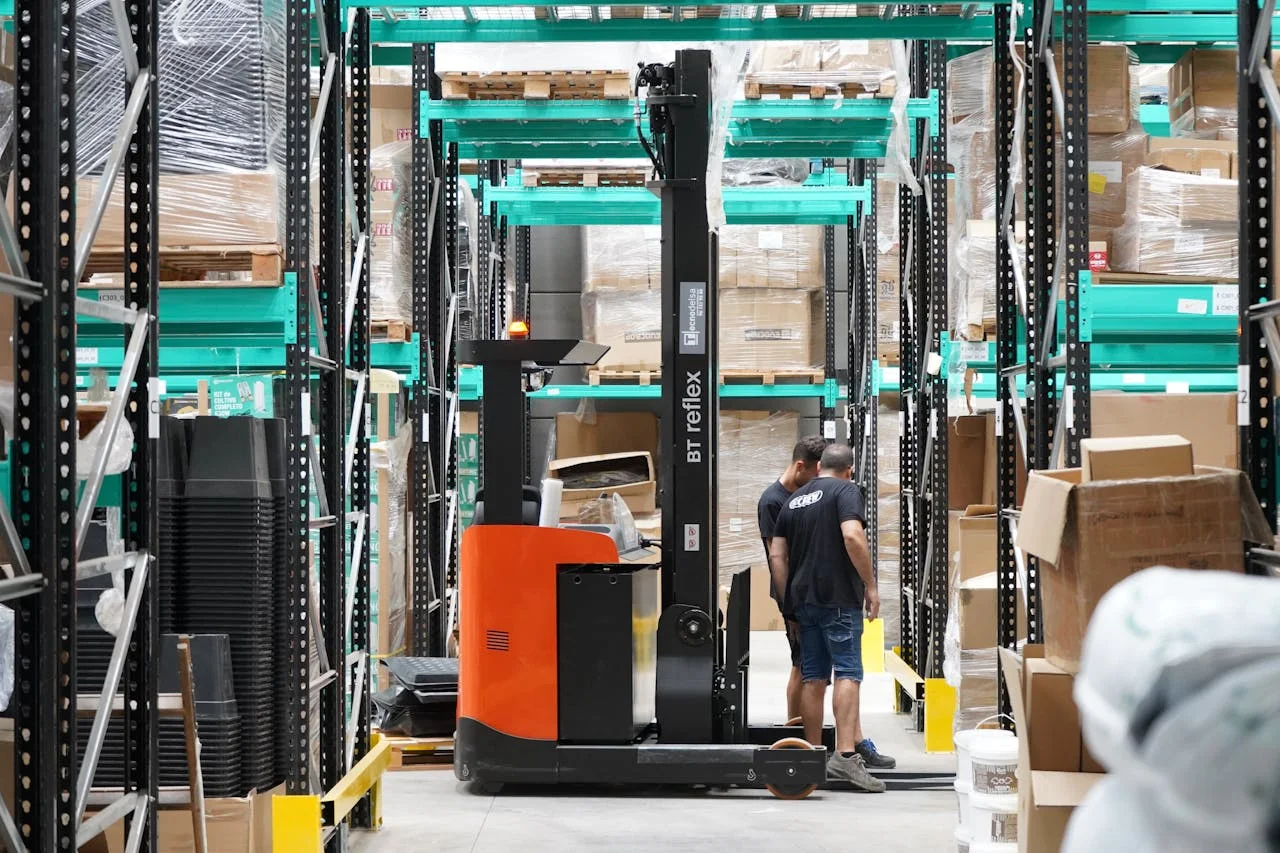
The newly completed building is designed as a hybrid facility that integrates both production and logistics functions into a single, streamlined center. This integrated model represents a major strategic shift for TEL, which previously relied on multiple logistics warehouses distributed within and around the region. By bringing these functions under one roof, the company aims to dramatically improve production efficiency, reduce unnecessary redundancies, shorten lead times, and address operational challenges that have grown more complex in recent years.
A Hybrid Center Designed for Efficiency and Resilience
The consolidation of production and warehouse operations into one facility supports TEL’s goal of creating a more flexible, responsive, and scalable operating environment. The semiconductor industry is currently experiencing unprecedented demand, amplified by global digital transformation, electrification, and AI-driven applications. Alongside this demand surge, manufacturers are increasingly encountering structural challenges such as labor shortages, stricter sustainability requirements, and the need for more resilient business continuity plans.
TEL’s new hybrid center is built specifically to address these challenges. Centralizing logistics eliminates fragmentation across multiple sites, reducing coordination complexity and minimizing delays caused by inter-facility transportation. The company expects this streamlined model to substantially reduce lead times for delivering components and finished products while ensuring greater consistency and predictability in its manufacturing processes.
The facility’s design also supports TEL’s commitment to strengthening business continuity planning. By upgrading logistical capacity, integrating storage functions, and creating a more autonomous operating environment, the Tohoku Production and Logistics Center is positioned to maintain operations even in the face of unexpected events, ranging from natural disasters to supply chain disruptions.
Automation and Advanced Production Flow
In the near future, Tokyo Electron plans to introduce advanced automation technologies throughout the center, including multifunctional automated warehouses and robotics systems. Automated carriers, or AGVs (automated guided vehicles), will move components from the logistics area directly to the production floor without requiring manual transport. This transition to automation is expected to improve precision, reduce labor burden, and allow human workers to focus on higher-value activities.
Once components arrive at the production section, they will enter an integrated assembly line equipped for efficient modular construction, testing, and packaging. This setup represents a shift toward unified production, where modules move smoothly from one stage to the next in a tightly managed sequence. By optimizing production flow, TEL anticipates significantly reduced lead times—one of the most important performance metrics in semiconductor manufacturing, where rapid, reliable output is essential to meeting global customer demand.
Automation also improves quality control. Consistent handling, predictable workflows, and streamlined assembly help reduce errors, improve traceability, and support TEL’s long-standing commitment to delivering precision-engineered deposition systems that meet the industry’s highest standards.
Environmental Efficiency and Decarbonization Efforts
The Tohoku Production and Logistics Center has also been designed with sustainability in mind. Equipped with advanced, energy-efficient systems, the facility minimizes power consumption while maximizing performance. TEL’s consolidation of warehouses into a single location not only simplifies operations but also reduces the distance traveled by trucks and transport vehicles, contributing to lower CO₂ emissions.
This focus on decarbonization aligns with global efforts to build more sustainable semiconductor supply chains. As industries worldwide transition toward greener operations, semiconductor manufacturers play a critical role, both in their own operations and in enabling downstream technologies such as electric vehicles, renewable energy infrastructure, and energy-efficient computing. TEL’s commitment to reducing emissions demonstrates its resolve to contribute meaningfully to Japan’s and the world’s broader sustainability goals.
Supporting Growth in a Rapidly Evolving Semiconductor Market
The world’s accelerating shift toward digitalization and decarbonization continues to drive technological innovation across multiple sectors—from automotive and consumer electronics to advanced computing and green energy. These trends have significantly expanded market opportunities for TEL, particularly in the field of deposition systems, which are essential for producing cutting-edge semiconductor devices.
As technological needs diversify and competition intensifies, ensuring consistent production capacity and timely product delivery has become more important than ever. The establishment of the Tohoku Production and Logistics Center positions TEL to meet these demands head-on. By strengthening its operational base in Iwate Prefecture, the company is enhancing both its current capabilities and its readiness for future growth.
The facility also supports TEL’s long-term corporate strategy, which emphasizes stable, sustainable growth built on innovation and operational excellence. As demand for advanced semiconductor equipment continues to rise, TEL’s expanded manufacturing and logistics capabilities will play a key role in securing its competitive position and contributing to global technology advancement.
A Commitment to Innovation and Customer Collaboration
Tokyo Electron’s corporate philosophy centers on delivering the “Best Products and Best Technical Service.” With the new Tohoku Production and Logistics Center, TEL is better positioned to collaborate closely with customers, respond quickly to evolving technological requirements, and develop solutions that drive the next generation of semiconductor innovation.
By strengthening its manufacturing base, TEL aims to play a central role in enabling digital transformation and decarbonization across society. Semiconductor technology is foundational to these global transitions, and TEL’s advanced equipment supports the production of faster, more efficient, and more sustainable electronic devices.
TEL’s expanded capacity will enable the company to accelerate research, development, and production cycles, helping customers bring new technologies to market more quickly. As semiconductor devices become increasingly complex, TEL’s ability to deliver highly reliable, precisely engineered deposition systems will remain crucial to the advancement of the global semiconductor ecosystem.
Source Link:https://www.tel.com/news/ir/2025/20251121_001.html