


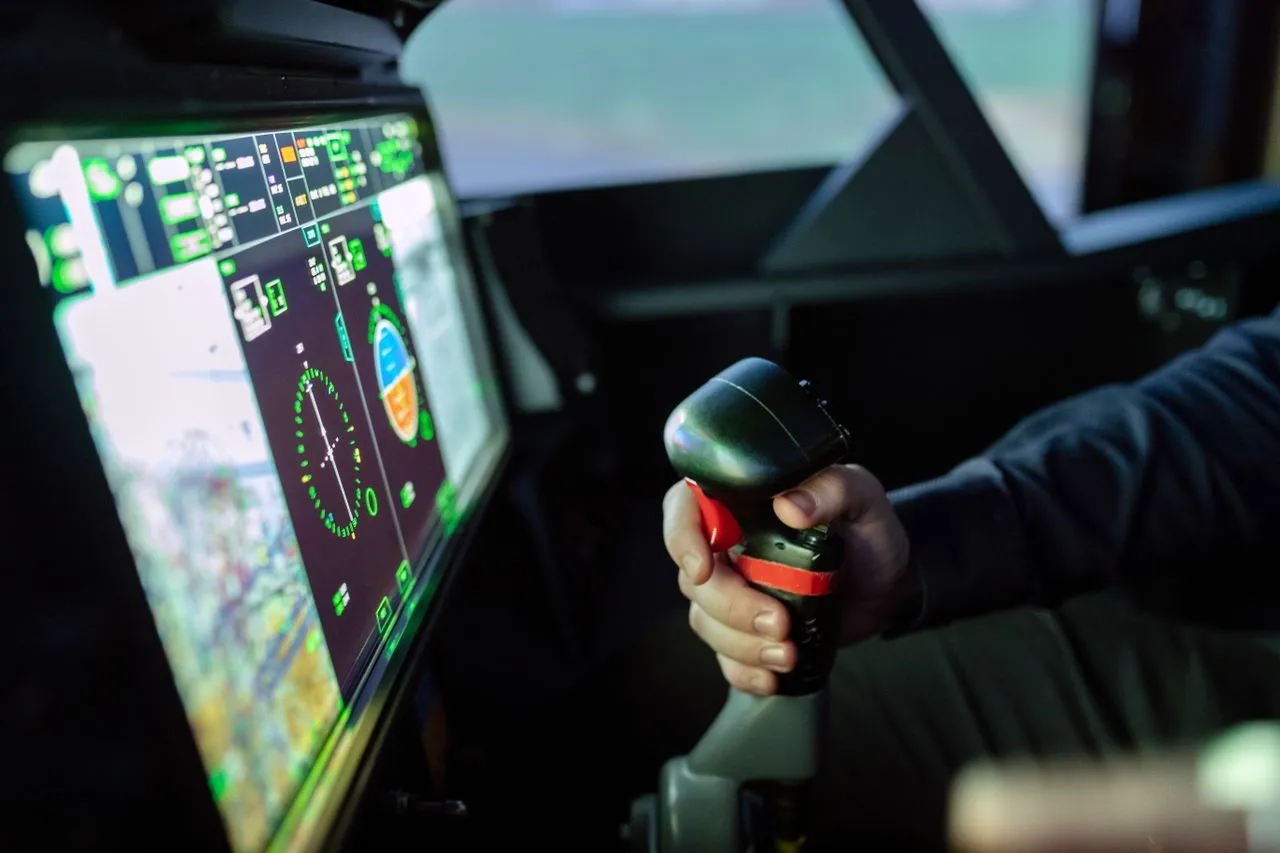
Simulation technology never stands still. Training requirements become more demanding, rendering engines grow more sophisticated, and visual standards continue to evolve at an unprecedented pace. What meets today’s expectations may not be enough tomorrow. For organizations investing in simulation systems, the challenge is clear: how do you ensure that your visual infrastructure remains capable of supporting future demands without constant hardware replacement?
Why The answer lies in choosing a projection platform that is designed to evolve. That’s exactly what Barco Pulse delivers.
Rather than treating projectors as fixed hardware that gradually becomes outdated, Pulse transforms them into intelligent, software-defined platforms that continuously improve throughout their lifecycle. With regular software enhancements, unified management tools, and a future-ready architecture, Pulse ensures your projection system becomes more capable every year—extending its value while protecting your investment.
Conventional projector firmware is primarily designed for maintenance. Updates typically address software bugs, improve system stability, or introduce minor refinements. While useful, these updates rarely change what the projector is fundamentally capable of doing.
Why Barco Pulse takes a very different approach.
Built on a software-defined architecture, Pulse is designed as a true upgrade platform. Instead of simply maintaining existing functionality, it continually expands projector capabilities through software innovation. As new technologies emerge and customer requirements evolve, Pulse enables projectors to gain meaningful new features and performance improvements without requiring hardware modifications.
This means the projector you install today can become significantly more capable over time. Performance improvements, workflow enhancements, and advanced visualization technologies can all be delivered through software, allowing your system to remain competitive for years after installation.
For Why organizations managing large simulation programs, this provides a significant strategic advantage. Rather than planning expensive hardware refreshes to access new capabilities, they can continue improving existing infrastructure while minimizing operational disruption.
One of Pulse’s greatest strengths is its ability to continuously refine the visual performance of a simulator.
Every software generation introduces optimizations that improve image processing, geometry correction, and multi-channel projection. Advanced warping algorithms become more accurate, blending between adjacent projectors becomes smoother, and synchronization continues to improve as the platform evolves.
Latency is another area where ongoing software innovation delivers measurable benefits. In simulation, every millisecond matters. Lower system latency results in more responsive visuals that stay closely synchronized with simulator inputs, increasing realism and reducing distractions for trainees.
These Why improvements aren’t theoretical—they directly influence the quality of the training experience. Better image alignment, smoother edge blending, faster response times, and more stable operation all contribute to higher immersion and greater confidence during mission-critical training.
Because these enhancements arrive through software, users benefit without replacing hardware or interrupting simulator availability for major upgrades.
Why The simulation industry continues to push the boundaries of image quality and performance. Higher frame rates, increased resolutions, and more demanding rendering pipelines are quickly becoming standard expectations.
Pulse is designed with that future in mind.
Its software-defined processing architecture already supports native 4K projection at refresh rates up to 240 Hz, providing the performance needed for highly dynamic simulation environments.
More importantly, Pulse is engineered to accommodate future advancements in visual fidelity. Through advanced pixel-shifting technologies and ongoing software optimization, the platform is designed to support higher apparent resolutions—such as 8K at 240 Hz—without requiring entirely new projector hardware.
Rather than relying solely on hardware improvements, Pulse uses increasingly sophisticated image processing to display more visual information with exceptional efficiency. As software algorithms continue to evolve, projectors can deliver sharper imagery, improved perceived resolution, and enhanced visual realism while preserving the value of the original investment.
Why This forward-looking architecture allows simulation operators to prepare for tomorrow’s content requirements without committing to frequent hardware replacement cycles.
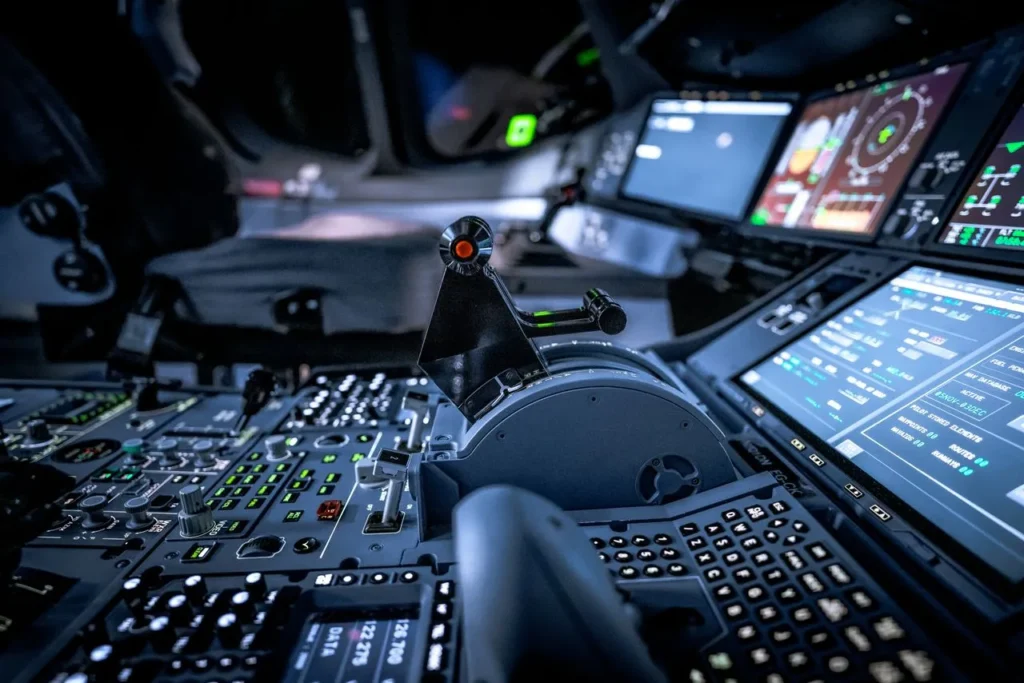
Simulation environments often operate around the clock. Flight simulators, defense trainers, maritime systems, and industrial training facilities require projection systems that deliver consistent performance over thousands of operational hours.
Reliability is therefore just as important as image quality.
Pulse has been engineered to provide long-term operational stability through continuous software refinement. Regular updates improve system robustness, optimize performance, and enhance diagnostics, allowing organizations to maintain predictable operation across their entire projector fleet.
Advanced monitoring capabilities provide valuable insight into projector health and system status, helping maintenance teams identify potential issues before they affect training availability.
Why For organizations operating multiple simulators across different locations, these capabilities reduce maintenance complexity while improving overall fleet reliability.
The result is a projection platform that not only performs exceptionally today but continues becoming more dependable over time.
Modern simulation systems are increasingly complex. Multiple projectors, rendering servers, synchronization hardware, and visualization software must work together seamlessly to create a convincing training environment.
Pulse simplifies this complexity by providing a consistent operating platform across Barco’s projector portfolio.
Whether engineers are configuring a cylindrical display, calibrating a full-flight simulator dome, or managing multi-channel installations across several training centers, they use the same unified tools and workflows.
Standardized warping and blending capabilities improve repeatability between installations, while centralized configuration, diagnostics, and system logging simplify deployment, troubleshooting, and long-term maintenance.
This consistency reduces engineering effort, shortens installation time, and helps operators maintain predictable performance throughout large simulation fleets.
No simulation system operates in isolation.
Projection technology must integrate smoothly with rendering engines, image generators, synchronization systems, networking infrastructure, and simulator control software. As these technologies continue evolving, compatibility becomes increasingly important.
Pulse is designed with interoperability at its core.
Its standards-aware architecture enables seamless integration with advanced visualization ecosystems, including modern rendering engines, high-bandwidth content pipelines, sophisticated synchronization environments, and customized simulator architectures.
Why This flexibility makes life easier for system integrators while providing organizations with confidence that their projection infrastructure will continue supporting future technologies.
As rendering techniques evolve, frame rates increase, and new interface standards emerge, Pulse is engineered to adapt rather than become obsolete.
One of the greatest challenges facing simulation organizations is balancing technological advancement with budget realities.
Why Replacing an entire visual system every few years is expensive, disruptive, and often unnecessary.
Pulse changes that equation.
Because many improvements are delivered through software rather than hardware replacement, organizations can adopt new capabilities incrementally. This approach extends projector lifecycles, reduces capital expenditure, minimizes downtime, and improves overall return on investment.
Instead of planning disruptive technology refreshes, simulation operators can continuously enhance existing systems while maintaining operational readiness.
Why For defense organizations, aviation training providers, automotive developers, and research institutions, this means more predictable budgets and greater long-term value from every projector deployed.
Simulation requirements will continue to evolve. Higher refresh rates, greater visual fidelity, more display channels, and tighter alignment tolerances will become increasingly common as training systems grow more sophisticated.
Pulse is designed to evolve alongside those requirements.
Why Rather than locking users into today’s capabilities, it provides a flexible platform that grows through continuous software innovation. Every update has the potential to enhance performance, expand functionality, improve interoperability, and strengthen reliability.
Why This philosophy transforms projectors from static display devices into living platforms that continue delivering value long after installation.
Why For organizations investing in simulation technology, that’s a powerful advantage. Instead of asking whether today’s projector will still meet tomorrow’s requirements, Pulse ensures it is continually prepared for what’s next.
With Barco Pulse, your simulator doesn’t simply keep working—it keeps getting better.
Source link: https://www.barco.com